
The world’s leading natural health care experts were asked to reveal their top tips for healing and wellness…they were given 10 minutes to answer…see their advice below
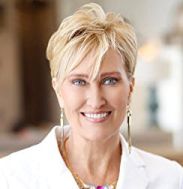
001 - Kathy Heshelow...Skin Brushing for Improving the Immune System & Cellulite Control
TMNH (Ten Minute Natural Health): The question being, do you have a tip in the naturopathic realm in which a person could see a quick result?
Kathy Heshelow: It might be interesting to highlight skin brushing, because that is something that doesn’t seem as foreign. I have a lot of guys and a lot of women who are not really fully into the homeopathic or the holistic stuff yet, but it’s sort of a steppingstone because it’s easy. They can understand the skin is the largest organ, and they look better, and they feel better. But there’s a lot of wellness issues about it because it moves the lymphatic system, it helps circulation, it just does so many things. And they see results, and it can be like 10 minutes a day, so it’s like a really easy thing to do.
Kathy Heshelow: So that’s something to try to show people that it’s not a big commitment, but it has big results for just a little bit of time.
Kathy Heshelow: It’s something that always excites people is that a lot of the models and actresses are using it, and they rave about skin brushing. So they go “Oh well if Jennifer Aniston or Miranda Kerr is doing this, Salma Hayek, then I better look at it.”
Kathy Heshelow: Sure. Actually skin brushing goes back, it’s an ancient art, even Hippocrates taught skin brushing in his medical school to students. It’s been used in cultures through the ages, cited in a lot of text, and it’s sort of made its way into our modern era. It sort of fell out of common use in the early 19th century, and so that’s why a lot of people today may not have heard about it in the United States. I was actually introduced to it when I lived in Paris for 16 years. An aesthetician in a spa that I went to introduced me to it, to skin brushing, and I got so excited. It’s so easy to do, it’s basically dry brushing the skin, always in the direction of the heart. It in a nutshell, increases your blood circulation, which helps your skin tone. It moves your lymphatic system, which is basically helping your immune system and your wellness. The skin is the largest body organ, and one-third of your daily impurities are excreted by your skin daily. And so this is helping to remove the toxins, and the dead cells from your skin. And actually, as we age, we’re less able to exfoliate that skin. And so that’s why skin of older people can look a little dull, or just not as glowing and healthy. So skin brushing is really good for all ages, but especially as we age. And it actually does everything too, it can help women control their cellulite. It won’t get rid of it, but it can help reduce or help control not getting it if you’re younger. That’s just sort of jumping into a little bit about what it is.
TMNH: Okay. Is it similar to exfoliating?
Kathy Heshelow: Similar to an exfoliator, but basically what you’re doing is using natural bristles to brush your skin. And so it is indeed exfoliating, but many people exfoliate when wet … you can’t do dry brushing in the shower, you’re not going to get rid of those flakes, and the toxins in the skin. They sort of fold back into your skin. It’s not the same as using a mask, or using other kinds of techniques. This is really simple, and it’s really ancient, but it’s extremely effective.
TMNH: What do you actually use the dry brushing with?
Kathy Heshelow: You’re just dry brushing over the surface of your skin. So the way you brush your skin is you start, typically you start at your feet and you work up. And you’re using short to mid strokes, fairly fast, and you’re brushing over your skin. You might spend five brushes in the same area and then move on. At first, it might be slower, but after you get the hang of it, you can do your whole body in 10 minutes. You’re brushing over your skin, you can stand in the shower, so that the flakes, and the toxins and stuff can be washed away afterwards. And the action of brushing that skin is helping the blood circulation, so you will become a little rosy, and you’ll see that. But it will help feed your skin, improve the skin tone. But also if you have sluggish circulation, some spas or homeopathic doctors use it. Let’s say you have circulation problems when you’re older, skin brushing can help that. I have a lot of women who have had or have lymphedema and they’ve had their lymph nodes removed. And they use skin brushing, it’s recommended to help their wellness, and to help the overall issues. So anyway, you’re using that natural brush, you’re moving in the direction of the heart, you’re moving up over the entire body. And then you’re done for the day, you do it once a day.
TMNH: Are you using your hand, is that a dumb question?
Kathy Heshelow: Yeah, you’re using your hand with the brush.
Kathy Heshelow: It could have a brush with a handle, or it could be the kind that slips over your hand and there’s like a band across your wrist, right? And then so the brush is what’s touching your skin. Just think of brushing your hair or brushing your teeth, it’s the same concept, except this is brushing your skin.
TMNH: Could it also help with something like varicose veins?
Kathy Heshelow: Yeah, it could. It could help with a lot of different issues like that. Anything that will help move the lymphatic system. And by the way you might know, the lymphatic system moves only through things like exercise or massage, and skin brushing is another way to get it to move. When your lymph is not moving, that can cause illness, because your lymphatic system is basically emptying out toxins and circulating through your body to pull out impurities from your blood and from your body. So when it’s slow, and sluggish, or not working, you’re not as well. And when you’re doing something like skin brushing or exercising, you’re moving that lymphatic system, and that helps your wellness, your immune system.
TMNH: Some people use a rebounding machine, like a small trampoline, with which they can bounce up and down to move the lymphatics.
Kathy Heshelow: Yeah, yeah.
TMNH: But this actually maybe even better than that because I know a lot of people, maybe people that have weight issues or coordination issues, would be hesitant about jumping up and down on a trampoline.
Kathy Heshelow: Right, they might fall, or they might hurt their joints or something, you’re right. Certainly I am a big advocate for daily exercise even if it’s only walking and just moving your body. But I’m also a big advocate for doing anything natural that can help support your wellness. And I find skin brushing, I’ve been doing it since the 80’s, I love it. It also releases these endorphins, it makes you feel happy, you feel tingly. The circulation’s moving, you feel…wow I’m going to take on this day when you skin brush. Typically I do it in the morning, most of my clients do as well before morning shower. And yeah, it just it’s a great way to support wellness. And you’re right, it could help those who can’t jump on a trampoline or rebound who have issues that don’t allow them to do maybe some of the exercise they need to do.
TMNH: I think I’m going to try this myself.
Kathy Heshelow: Oh, good. I actually have a website devoted to the subject, it’s skin-brushing.com. And so I have a lot of testimonials on the site, I have different background information. When clients buy the brush on Amazon, they get a how-to brochure, but I also have it on that website they can download.
TMNH: Great.
Kathy Heshelow: It gives them all the tips of what they need to do and how to do it, and all of that sort of thing.
Kathy Heshelow: I would say there is a couple of other things. When you’re skin brushing if you have any open sores on your body, do not brush over those. You should not share your skin brushes with others, just because of the skin biome, the ecosystem of your skin, and the different kinds of toxins you might have. You want to keep that skin brush to yourself and have each family member with their own. Always use natural bristles, never synthetic. Synthetic will hurt your skin or damage your skin, so always use natural. And when you’re skin brushing, you can spend a little extra time on your lymph node rich areas. That’s like your inner thighs, your armpits, and also on rough areas like your heels, or your elbows. That’s because the skin is obviously thicker there and it could use the extra exfoliation and the extra help. The other is skin brushing goes up to your neck, but does not do your neck or your face. Because the skin there is far more thin, far more fragile, there are actually face brushes that you can use, and it’s only recommended two times per week for the face. So the body brushing, skin brushing is also called body brushing, lymphatic brushing, or dry brushing. It’s really your entire body except your upper neck and face.
TMNH: If someone wanted to find something with which they could brush themselves using natural bristles, would they be able to do just a search, on say Amazon?
Kathy Heshelow: Yeah, Amazon has … I was one of the early ones that had skin brushes, and now there’s tons of them available. A lot of people sort of jumped on as skin brushing has become more popular in the last five years. You know, Gwenyth Paltrow’s talked about it, Jennifer Aniston, Salma Hayek, a lot of models talk about it, so it’s gotten more attention. And one of my brushes was actually in Glamour Magazine about buffing your skin, or polishing up your skin, a couple years ago. So yes, they can find brushes on Amazon. They can just search skin brushing or dry brushes, certainly I have one that’s very popular, Sublime Beauty. Or on the website, the skin-brushing, there’s links there as well.
TMNH: Excellent.
Kathy Heshelow: Oh I’ll add one more thing, I’m not sure if I mentioned it, I might have. But women like to use this for cellulite control, I might have mentioned that when we chatted before the recording, but I’m not sure if I did it here. Just brushing can help break down those toxins, and help smooth the skin a little bit. One other thing it does too is help avoid ingrown hairs, which some people tend to get. Women when they shave sometimes they get ingrown hairs, so skin brushing can kind of loosen those up, and help avoid those.
TMNH: Cellulite is a huge issue.
Kathy Heshelow: Yeah. And again, it will not get rid of cellulite, but it will help reduce it and it will help the skin become more smooth. And it will move those toxins and help break down some of the issues that cellulite is all about.
Kathy Heshelow: Don’t believe anybody who says that skin brushing will get rid of it all the way, it just won’t, there’s no way.
TMNH: Right, well there’s no absolute miracles.
Kathy Heshelow: Well you know brushing is great for glowing skin and making you feel good.
TMNH: Wonderful.
Kathy Heshelow: Well thank you so much, it was nice speaking with you.

002 - Erica Waters...Managing Stress and its Downstream Effects on Blood Sugar with Herbal Combinations
TMNH (TEN MINUTE NATURAL HEALTH): Can you give a tip or a piece of advice with which someone could see a quick result?
Erica Waters: Well, there are a couple of things that I see that are just ongoing throughout whatever the type of patient is or whatever their conditions are. First and foremost is the need to help stabilize stress levels. That is at the core of so many issues. Because of the whole cascade with cortisol and all the downstream disruption of the hormones that stress causes. People need to somehow implement some sort of life management or stress management into their lives, whatever it is, and some people don’t feel comfortable with a form of meditation. So doing something is important, even if it is breathing exercises. Breathing exercises, such as a pattern like four-seven-eight is something simple that some people use just to kind of get the sympathetic nervous system in check. That’s one.
There are wonderful herbs, adaptogenic herbs, that we can use as well. Lifestyle improvement, I think is just so, so important. You could pop a million different supplements but enabling your body to respond differently to stress is going to help so many other issues in the long term.
For some people it’s developing a regular exercise routine. For others it’s doing breathing exercises or a structured meditation.
And then blood sugar is just another really big one. Stress and blood sugar kind of go hand-in-hand because when there is chronic stress, the blood sugar winds up dysregulating. Insulin surges are at the core of so many problems down the road for people. So stabilizing blood sugar through the diet is huge. Exercise is helpful but really through diet is just as simple. However, it’s not easy for most people because sugar is everywhere. Paying attention to blood sugar fluctuations and choosing foods that do not have sugar depends on where you are in your overall health. If you’re a diabetic, you have to really watch out for the fruits and those things too. But in general, I’m just aiming to keep sugars really low.
TMNH: Are you referring to processed foods as much as junk foods when it comes to insulin spikes?
Erica Waters: Yes, but it’s referring to even some of the healthiest sugars too such as that half a bar of dark chocolate a day that someone might have. And it’s not to say that people should literally avoid all yummy things. But the processed foods are absolutely great to avoid, depending on where people are on the spectrum. Sometimes we see patients that are very food conscious but yet they still have issues with blood sugar. And then there are those people who are new to naturopathic medicine that have been eating the boxed foods and the processed foods a long time. I try to get people on the right track with their foods because if the blood sugar is not regulated, everything’s going to just go out-of-whack. And so I feel like that’s like a core foundational thing.
TMNH: Are there any foods or herbs in particular that could help people with achieving good blood regulation?
Erica Waters: Yeah, there are different things. Some people will use cinnamon. I’ll add cinnamon to their food and have had good results. I’ve tried a bunch of different things with patients who really have a difficult time even if they’ve changed their diet around and where we are actively monitoring their blood sugar levels.
There’s something called Berberine. I’m seeing really good results with my pre-diabetic and diabetic patients in helping to lower hemoglobin A1c, which is a marker for blood sugar. Berberine, more than anything else, I’m seeing really wonderful results with. It supports the liver as well. I’m not seeing any side effects with that either. And they actually did a study with Metformin vs berberine and the berberine group actually did better. So yeah, berberine is one that I’m really liking with my patients.
TMNH: In what form is it best for people to take that?
Erica Waters: Mostly it’s a capsule form. There’s many different great teas out there, and they are wonderful. But for blood sugar, I tend to go more for the capsules. It’s a little bit more concentrated.
TMNH: What are your thoughts on apple cider vinegar for regulating blood sugar spikes?
Erica Waters: I don’t use it but a lot of my patients have tried it. I’ve done some research and it’s really hard to find any solid results on it. It really helps people optimize their digestion and I’ve heard of people having good results with blood sugar but I think it’s case by case. It’s something that really can’t hurt you as long as you’re not burning your throat with it. It’s not the best tasting, but it does get the enzymes going, gets a digestive system going and people use it for so many different things. It seems like it’s become a cure-all of sorts. And again, there’s really very little side effect to it. So I think it’s worth trying.
TMNH: What can you recommend for stress management outside of the realm of meditating and large lifestyle changes?
Erica Waters: So there’s the lifestyle stuff and then there’s stuff to actually help your adrenal glands, which are producing a lot of your stress hormones, namely cortisol. Adaptogenic herbs that can work really wonderfully in sort of helping to regulate that whole stress response are great. They also can work well in different combinations. Ashwagandha and rhodiola tend to be the most popular. There are a lot of studies on them and they seem to help regulate the whole adrenal stress response. So I do use them a lot with patients. Typically I’ll use them in a capsule or some companies put the liquid herbs into a capsule. So people could use it in a capsule or they could use it in a tea.
It’s a wonderful, wonderful combination. Lemon balm or something similar is great for the nervous system, but as far as an adaptogenic herb, you want one that kind of helps to regulate that stress response. Ashwagandha and rhodiola is great. Holy basil is another one. And again there’s different companies that will make unique combinations, and people just kind of like feel like they’re a little bit more evened out or if they have low energy it kind of helps to give them a little bit more energy too. Yeah, those are the two main things that I feel like no matter what my patient, whether they have cardiovascular issues, diabetes or anxiety, depression, whatever it is, it just seems that managing stress and blood sugar is critical, which in turn manages inflammation too. They all of those kind of go hand-in-hand and really help.
TMNH: Often people will stress-eat and stress-eat bad things and then their blood sugar goes haywire.
Erica Waters: So it’s a big snowball. Stress is usually at the top of everything. And I live on the east coast. I have patients who are in the city and then you think about environmental stressors too. We don’t even know a lot that we’re exposed to and that winds up playing a role along with just the stress of the stimulation and being in the city and the go-go-go mentality. It’s a little bit different out west, but yeah, I used to live out there so it’s much more of a relaxed pace than New York!
TMNH: Thank you for the wonderful information!
Erica Waters: You’re welcome. So nice to talk to you.
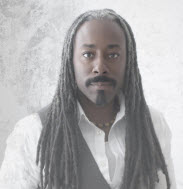
003 - Jacques Polanco...Eating According To Your Blood Type and Deep Breathing Benefits
TMNH (Ten Minute Natural Health): So, I’ll ask you, do you have one tip with which people could see a quick, strong result?
Jacques Polanco: One I would like to share that’s actually not in the book I read but I realized afterwards, actually, the book that I wrote is Eating According to your Blood Type.
The reason why that stands out for me is growing up … I come from a medical background and, of course, we all watch TV and they’ll say orange juice…drink your vitamin C. And then when I was younger, I didn’t like the taste at first but if I had a cold, or if I needed a boost of so-called vitamin C, I would run to orange juice. Low and behold, a friend of mine was like, “You know what, if you’re looking to change your diet, why don’t you eat according to your blood type.” A huge light came on and then I was like, “Wow, that’s very interesting because at the end of the day, it’s not one diet that fits everyone.” But if you actually eat or do research according to your specific blood type and eat accordingly, you actually gain more of a boost and more energy because you’re eating for your design.
TMNH: That’s interesting. I’ve never heard of that myself.
Jacques Polanco: Yeah. I used to drink orange drink. I mean, actually, it used to make me feel a little funny. But I would just disregard it because I would just think, “Oh, that’s just vitamin C working.” Low and behold, I took orange juice out of my diet completely and I felt better. I was more energized. I replaced it pretty much with water. More energized. And then I started reading more on it and I realized I’m actually Blood Type O negative. With Blood Type O negative, we have more acidity in our stomach because we’re supposed to actually eat meat. That’s very interesting because I used to whenever … you hear red meat is not good for you, red meat is not good for you. But whenever I eat, to be honest with you, beef, I have a surge of energy and I used to always wonder about that. As I read about the blood type, it’s a lot of stuff that I used to question made sense to me. So, if I was to give one tip that you would see results immediately, I would say eat according to your blood type.
TMNH: But I have heard about orange juice too about its … that it actually … aside from what you discussed, it’s a high sugar content.
Jacques Polanco: Yes.
TMNH: So I think there are a lot of people out there that are getting information from the media and drinking orange juice as it were water not realizing how much sugar fruits actually have.
Jacques Polanco: Exactly. And because it’s juice you get more of the sugar than the fiber that you actually need from the orange juice.
TMNH: Plus it would have ramifications for diabetics. So, you have to watch out for it.
Jacques Polanco: Okay, definitely. And a good doctor to look up like making a great chart on your blood type would be Dr. Lam. You can actually go to drlam.com.
TMNH: That’s great. So, do you have another tip or two?
Jacques Polanco:If I was to give you another tip, I would say in the diet realm, do not skip breakfast.
TMNH: Okay.
Jacques Polanco: The reason why I would give that tip is because it’s almost like if I was to compare a millionaire or a billionaire, they have a morning routine that gets them started in the morning. If they miss that morning routine consistently, they cease to be a millionaire because there’s certain things you have to do in the morning. The reason why I would say breakfast is because in my family, we have like big bellies, right? And you know certain things I would eat, I’m like, “Oh my gosh, where’s my ab. It’s disappearing.” And then I started eating healthier and more often. It starts with breakfast because if you miss breakfast then you’ll probably miss lunch. And it’s like, “Oh, I’ll wait till dinner.” When you wait to eat, your body is actually storing the fat because it’s thinking, “Okay, survival mode. Let’s store the fat.” And then I would just gain it back in the wrong places.
So when I started making a plenty breakfast, I would eat small breakfast. I may be have a snack later like an apple or something like that, and then I’ll have lunch. So, I’ll eat at least five times a day but it starts with the breakfast. And because I eat five times a day, it builds up my metabolism and, therefore, I started shedding extra fat, not most of the extra fat that I did not eat and I would incorporate that with drinking a lot of water as well.
Jacques Polanco: I used to do sit-ups which I don’t like and crunches. But I realize again, I just change diet that way or modify the diet. I’m actually shredding pounds without that extreme exercise.
TMNH: But what you said before and about water is huge. I don’t think people realize how important water is. I tell a lot of people, if you just want to lose a lot of weight quickly, just drink water. Skip the beer, skip the soda, just … the only liquid that goes in you is water. You will see a big increase in your weight loss.
Jacques Polanco: Exactly. Definitely grew to that one.
TMNH: Yep. Great. Those are excellent tips.
Jacques Polanco: Would you like one more?
TMNH: Definitely, yeah.
Jacques Polanco: Okay. Though because that’s why I was like breakfast is nutrition. The next thing I would recommend that you would see results immediately is to just take a moment and breathe deeper like 60 seconds. That gives you euphoric state but, therefore, it’s actually like turning on your body saying, “Okay, what do I need to do.” When I started doing that, it actually … you’re above the homeostasis level where you’re just at rest and it gives you a range where you can actually start listening to your body because it’s like, “Okay, this is my body at rest. This is my body when I’m more active and I’m breathing deeply.” And then you can actually gauge in between how your body feels because, for example, with the orange juice, I can gauge, “Okay, this is how I felt with orange juice. This is how I felt without orange juice.” It’s my body going, it’s going. It’s alert. It’s more alert when you’re breathing deeply.
TMNH: It’s almost like a change of consciousness that allows you to see … you see yourself at a neutral stage. You can feel what’s happening.
Jacques Polanco: Yeah. You definitely got it. Yes, indeed. Yes.
TMNH: Yeah. Interesting. All right. Well, I mean, I said 10 minutes and that’s certainly it. I mean, I don’t want to keep you longer, but those are excellent tips.
Jacques Polanco: Much success!
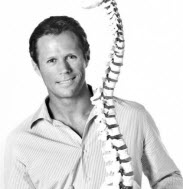
004 - Jason Gilbert...The Psychology Behind Making Changes for Good Health, Hydration Science, and Intermittent Fasting
Ten Minute Natural Health (TMNH): Do you have any natural health advice for someone new to the field that would enable them to notice a result quickly?
Jason Gilbert: I’ve been around health my entire life. I started in a health food store and now I’m working in Latin America as a pioneer in chiropractic medicine.
Jason Gilbert: Education has always been a really important part of my work. When you feel your mission is to help people, that whole thing of educating them and empowering them is so important. Early on in my career I would tell people don’t do this or don’t do that. Now, one of the first things I’d tell someone, most importantly, is when you’re starting on a new journey to health don’t worry about stopping bad things even though you know they’re bad. Most people associate health and getting healthy with stopping doing things they like doing that might necessarily be unhealthy. As such they’ll actually avoid introducing healthy habits even though they still might have unhealthy habits. For example, let’s say someone smokes and that person is really in an unhealthy state. I could say…Hey, stop smoking. We all know that smoking is not good and they should stop and that should be easy to validate. But what if I come in and say, OK, instead of stopping that bad habit, what good habit can they start? Can you start to walk five minutes a day? Can you start to walk 10 minutes a day? You know, this depends on what phase of health the persons is in. Or maybe, could you take an Omega-3 fish oil? Could you drink more water?
Jason Gilbert: I have a lot of patients that don’t even drink water. They say “I don’t like water…I only drink Coca Cola.” When you hear that, it’s shocking, but that’s shocking because I don’t live like that. But it could be approached from a different perspective such as…ok, could you start to have a glass of water for every glass of Coca Cola? My advice might be a bit strange because most other health professionals might come in hard and fast and you know, I would too if I was dealing with someone who is more informed and already on their way. But that’s the first thing I’d say – think about if you’re not prepared to end unhealthy habits, what you can do to start going in a better direction. It’s like a ship. A ship has a lot of momentum. We want to redirect it in small degrees. We’re not going to move it one day to the next. So anything positive, even when there are negatives present is going to have a great impact on their health. As they get healthier and healthier and they feel better, they will naturally want to stop the negative things. So that’s the psychology of that.
Jason Gilbert: Now, if we go to tips, one really simple tip that I do myself which I started 10 years ago is drinking water upon waking. While sleeping, that’s six to eight hours of not hydrating. Most of us wake up in the morning dehydrated. I do live blood analysis and if I do a person’ sample in the morning and they haven’t had water, it’s actually quite shocking to see how clumped the red blood cells are and the fact that it’s very hard to exchange oxygen or take away toxins and CO2 if blood is in that state.
Jason Gilbert: I love live blood analysis for that reason because you can actually show people, but when you see someone drink and you see the effect under the microscope within about an hour you really realize the power of hydration for the health. It’s not just to say I’m hydrated, but you really see physiologically that it does enable the exchange of oxygen, CO2 and the exchange of nutrients. So I would definitely say wake up, drink good quality water, obviously not tap water, good quality water. In my case I have spring water or water that you might get out of the reverse osmosis filter. I’m still not completely keen on those because of the loss of minerals associated with them. But anyway, good quality water with a couple of cloves of garlic and probably about a thumb size of ginger and turmeric. That’s my daily habit. With all of that you’re getting hydrated, you’re getting garlic, which is a, natural antibiotic. It’s also got selenium. You’ve got turmeric, which is an anti-inflammatory and there’s a lot of studies on that now showing how really effective it is. And then of course ginger which is a great general tonic for the body.
Jason Gilbert: If I could give a second piece of advice that I’d love share based on my own experience and my patient’s experience, that would be fasting…intermittent fasting in the morning. So wake up, hydrate and just go, you know, most of us will not be hungry if we don’t eat in the morning and if we are hungry it’s because we’ve had a high glycemic meal the night before that’s raised our insulin level and so leptin has gone up with it and we wake up with hunger.
Jason Gilbert: So if we can, after waking, having the water and going as long as we can before eating. There’s many advantages behind that – obviously there’s a high relationship between degenerative disease and an elevated insulin level. But, you know, when I do it I feel clarity. I feel brain clarity. I am someone who had digestive problems my whole life. About 10 years ago I started to focus on it. I thought it was actually normal to have diarreah in the morning.
Jason Gilbert: So you see these practices and you see the result. You like your bowel habits and you realize…that’s really powerful. So fasting for sure is something that I’ve done and I’m seeing all my patients that are losing weight when they couldn’t lose weight before – their insulin levels are being regulated. ..Their other hormone levels are as well.
Jason Gilbert: Well, if I was going to add another tip to everything I have said right now, I would say people who like to exercise should definitely look at high intensity exercise intensity training in the morning. Physiologically when insulin’s down, it’s not going to impede the secretion of growth hormone. And I see probably growth hormone secretion is one of the ultimate results of exercise because it’s beneficial for so many physiological functions in the body.
Jason Gilbert: So high intensity exercise. You don’t need carbohydrates really. Because if it’s intense enough, it’s more anaerobic than aerobic. You obviously can’t do it for that long, but it’s fantastic and that’s definitely changed my life.
TMNH: Is there any science behind doing that kind of training in the morning than it would be at another time in the day?
Jason Gilbert: Yeah. Just because in the morning if you’re hydrated, you can guarantee that your insulin levels aren’t up. That’s going to help testosterone and growth hormone secretion. Now later in the day, what most of us encounter these days is stress. Stress obviously equates to a higher cortisol level, so when we do exercise, I know that can bring that down due to the secretion of serotonin, but you know, if we’re looking at, for example, long distance running or anything in the gym, that goes on a half an hour… you’re secreting your cortisol levels again, you know.
Jason Gilbert: We’re seeing a lot of men that train who have surprisingly low testosterone levels due to the elevated cortisol. So morning training makes sense to me. Always someone before when I used to eat breakfast and obviously you know, a breakfast, it wasn’t really high nutrient value. I would think, oh no, I have to wait before I exercise. Otherwise I’m going to lose muscle mass. That’s actually the opposite. You know, it’s the opposite for sure. It’s just you cannot pass that threshold of time where your body goes more aerobic when your body really will need carbohydrates, otherwise it’s going to feed off your muscle. I can get away with 20 to 30 minutes of let’s say 80 percent intensity or I can just jump into an eight minute high intensity routine and kill it and leave it feeling so much clarity. My bowel functions are fine. I’m happy. That’s the exercise that I’ve felt the most relationship to serotonin release. Just that happiness that I feel after morning high-intensity exercise.
TMNH: The first thing you mentioned…about the importance of gradual changes…I think it’s very important to get people to gradually switch over to something healthy little by little. I’ve seen so many people just give up because it’s such a radical change for them. Psychologically they can’t do it.
Jason Gilbert: Often, I’ll say exercise and in the patient or client’s mind, they’re doing gym, lifting weights in the gym. That’s not the case. You know, so you’ve got to be very careful because many people aren’t on a high level and for most people, most humans it’s easier just not to do it then start and feeling like a failure when they give up.
TMNH: OK, well great. Those are excellent tips.
Jason Gilbert: You’re absolutely welcome.

005 - Heather Krebsbach...Raising Your Heart Rate & the Powers of Turmeric
Ten Minute Natural Health (TMNH): I’m looking for some information in the naturopathic or homeopathic field that someone could use or incorporate immediately and see or feel a result quickly.
Heather Krebsbach: In my practice I always like to go back to the fundamentals of health and make sure I’m including the basics when devising a treatment plan for my patients. Exercise and diet are often a great place to start and can offer a stepping-stone in which to build.
My first recommendation is raising your heart rate for at least five minutes every day. Increasing your heart rate helps to circulate nutrients to every cell in your body, to improve metabolism, cardiovascular health, and brain function. Typically everyone can find 5 minutes in a day to move enough to raise your heart rate. Once this becomes a daily behavior we build upon on the length of time.
As proof of the importance of this, I look to my grandmother and my grandfather-in-law, both over 90 years old and both very vital. They each make a point to walk every day.
Heather Krebsbach: My second recommendation is striving to eat one serving of green leafy vegetable at every meal. This will help to boost your daily vitamins, minerals, and antioxidants, and it also may give you the opportunity to get creative with your meals. Having this as a goal may even reshape the way that you think about your breakfast.
TMNH: OK, is there anything in general that a person could potentially eat where they could see an improvement?
Heather Krebsbach: In addition to the green leafy vegetables, I like using turmeric because of it’s numerous health benefits. It’s a really potent antioxidant, good for the liver and the brain. Turmeric also helps to decrease inflammation and can have a pretty dramatic effect on the entire body.
TMNH: I understand that turmeric has a lot of anti- cancer of properties as well.
Heather Krebsbach: Definitely. It’s been researched because of its antioxidant potential, along with its ability to kill cancer cells and prevent them from growing.
TMNH: Can you use it simply as a powdered form on your foods or in tea? What’s your recommendation for that?
Heather Krebsbach: Absorbing turmeric can be tricky, I often use turmeric or it’s potent extract curcumen, in supplement form. Turmeric is often combined with a cracked pepper or consumed with a fat, such as coconut milk to optimize it’s absorption. For my patients looking for a tea to help decrease inflammation, I’ll have them purchase the turmeric root and steep it in boiling water for 15 min. You can also add some ginger root to the tea as well for further anti-inflammatory benefits. And the two together makes for a nice tea.
TMNH: So ginger is something that would go well in combination with it for an additional boost. And ginger has its own properties that are helpful.
Heather Krebsbach: Yes, definitely. Especially if we’re talking about inflammation.
TMNH: What else could I add to turmeric that might make for a good combination aside from ginger?
Heather Krebsbach: I would say, if someone’s interested in making an anti-inflammatory tea, they can add rosemary to the turmeric and ginger. Rosemary is a nice anti-inflammatory in addition to helping brain function.
TMNH: As for raising the heart rate, you would think that people by now would understand that but it always has to be reiterated that we’re active beings designed to move.
TMNH: Our society has become so sedentary and I just have always found it strange that people consider exercise something they have to do or something added or something they have to work to include. It’s, no longer something that’s natural anymore. It’s supposed to be natural and fun but people have become lost in the noise of all of advice they hear.
Heather Krebsbach: Right, exactly. And I think people get bogged down by the thought of…”oh my gosh, I have to go to the gym for 30 minutes to 60 minutes in order for it to be effective”. Think about your day. If you work early in the morning, come home, cook dinner, etc. you really may not be raising your heart rate even five minutes or even three minutes out of the day. And so in trying to strategize, we aim for five minutes to raise the heart rate. It takes a little bit of strategy, but it also can be anything. It can be, although it doesn’t have to be, 30 to 60 minutes of structured exercise at the gym. It can be getting off your bus three blocks earlier than you typically do, or maybe you park your car in a different location that allows for a 5 minute walk. Or maybe, if you don’t walk, purchasing some sort of arm machine for arm movements that you’re able to do during the day or a stationary bike on which you can sit and move your feet for five minutes a day.
TMNH: Just five minutes! It’s good for a person’s overall psychology. I think it’s that people get down when they’re told by whatever source that they have to do with given amount of time each day and it’s usually a high, high number. Thirty minutes can be a lot of time for someone. But the key is to do something and you’re saying there is nothing wrong with 5 minutes. Five minutes can mean a lot!
Heather Krebsbach: And in my clinical practice I try to strategize with patients. A lot of what I do is strategizing how to make time for healthier behaviors. So if you’re already making time for five minutes, then maybe we can work into 10 minutes and maybe work into 15 minutes. So the goal is to increase that number when you start to feel the benefits. You’ve already structured the five minutes and so it maybe easier to work up to that 30 minutes, but also understanding that five minutes can really do a lot for your health.
TMNH: Thank you for your input.
Heather Krebsbach: It was a pleasure to talk with you. Have a great day.
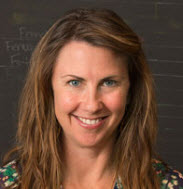
006 - JJ Pursell...The Critical Importance of Hydration and Specific Teas for Immune Support
Ten Minute Natural Health (TMNH): The question being, do you have a tip in the naturopathic realm in which a person could see a quick result?
JJ Pursell: I was raised in the Midwest and we had very limited resources for natural health and healing. I was faced with pretty significant health problems in my twenties and was really left to turn to my own devices after finding little help in the medical community that was surrounding me at the time. When I’m posed this question, there’s lots of different things that come to mind. I think about my first experience with acupuncture, which created a profound effect and healing within 24 hours of my first treatment. I had incredible, just incredible, healing after that experience. I think about the first time using essential oils and the type of relief it provoked after the first time of using them. There was a big difference from just looking at a book in our library and mixing my own and trying them.
JJ Pursell: It was pretty miraculous. I think about my first experiences with herbs and all that they provided me as far as comfort. But, you know, when I think about something that’s really simple that can make a hands-down, noticeable change so quickly in someone’s health…I think about water, about hydration. We’re surrounded and inundated with all sorts of beverage choices these days. And most of us get up and have that cup of coffee to get us going in the morning and to start our day. And we don’t think about water as much as we should. And in my practice and throughout seeing patients, the thing that I have repeatedly seen over and over is the effect of just drinking more water on a regular basis. I have one woman in particular who was a patient that always comes to mind and she was quite busy, a professional mother, and had a lot going on. Providing her with a treatment plan of supplements and herbs and other recommendations was very overwhelming for her to start off.
JJ Pursell: And so we started off with one thing and that was increasing the amount of water that she drank on a daily basis. She was maybe drinking a glass or two a day. Her complexion wasn’t looking well, her digestion wasn’t doing very well, her sleep was thrown off, and her energy level was tanking. I wanted to set her up for success. So I knew that we had to just choose one thing. And that was the bullet that I drove in, was to work on just that, to start off with. So simple. So that was her goal. Three weeks, come back in three weeks. You have three weeks to try to implement this into your life. The first week you’re just thinking about it and it’s hard to remember the second week, make a little headway. By the third week it’s starting to become a habit. I was actively working to integrate that in their life. So she came back and it was like a different woman sitting in front of me. Her energy levels had, for her, skyrocketed, just from hydrating those cells from water on a daily basis.
JJ Pursell: Her hydration increased. Her energy had increased significantly. Her skin tone had completely changed. She had an even skin tone now. She had a glow to herself. Even her affect was completely changed. Before she was very downtrodden and had somewhat of a very low affect. And just her overall presence was much higher of a vibration, which was such a positive experience to see. She had also changed her digestion – things are moving through and her sleep had improved. And what we’re really noticing is that she had been in a constant chronic state of dehydration. This will have drastic health effects and so by increasing this, that little bit of water into her system, all of her cells rejuvenated and they were able to function at such a higher rate.
TMNH: I think part of the problem is, and I tell this to a lot of people that I’m trying to help is if they could, just drink water. As you said in the beginning, there are so many choices that we have. I think people know that they could drink water, but it’s that they drink water and this and that and I tell them just drink water and skip the sodas and everything else – save all your room for the water and just make the changes that you described.
JJ Pursell: Even the endless water products that we have out there now are somewhat of a challenge just because you are unfortunately getting a lot of sugar with a lot of these water products which then negate the hydration effects. So if you have a water product that’s got added sugar in it, which just makes it tastes good, you’re actually combatting and taking away the hydration effects and then challenging your body with processing the sugar that’s added into the product. So that’s a challenge as well. And then, unfortunately, you also have a lot of these regular plain bottled waters that really aren’t living up to what their claims are.
JJ Pursell: So if you do a really simple pH test on a lot of these bottled waters, you can see there’s really only one or two out there on the market that don’t have an acidic effect, which is exactly what we’re trying to get away from. So I think essentia is one of the waters that is pure alkaline and it’s actually doing what it’s supposed to do with the hydrating and staying in the alkaline realm which is what you want. The moment you get into that acidic nature, again, you’re creating more problems for yourself and not really drinking that water that’s got the basics of hydration effects.
TMNH: So what about the spring waters that you see in the supermarket?
JJ Pursell: A lot of them have an acidic effect. They’re not actually what they’re claiming to be. So, you know, go to wherever it is to find bottled water, line it up, put it into a little cup, take pH paper, test it all out, and you’ll see 90% of them are creating an acidic effect.
JJ Pursell: And being more alkaline is always our goal.
TMNH: You had mentioned that you wanted to throw in a herb that might be of value.
JJ Pursell: Well, you know, for me my life is herbs, so I rotate through herbs.
JJ Pursell: Now we’re moving in to, you know, back to school and the weather is changing. Windows are closing, so everything’s starting to get somewhat trapped and incubated in our lives. You know, I cannot say enough – drink an herbal tea every day to support that natural immune system. So for me, an herbal tea can count as some of your water. It’s really OK. Now that doesn’t mean black tea or green tea – that’s caffeine – so it’s going to have a different effect. But herbal tea does create some hydrating and health benefits on the side. So if you’re drinking a nice cup of Tulsi tea, aka holy basil, that is a wonderful, not only hydrating tea, but you’re also getting this very subtle immune culminating effect. So it helps to create a stronger outer immune system to fight off anything that perhaps comes your way. So if you have children or you’re working in an office or you’re surrounded by people, you’re getting this onslaught for the next four or five months of all of these potential bacteria and viruses. If you have a little bit stronger of a defense on the outside, it’s less likely that something can sneak through and really take root in the body.
TMNH: Thanks for the wonderful pieces of advice!
JJ Pursell: I’m just more thankful to you for getting the word out, having some significant impact in your life and wanting to share it for all of us who do this work, people like you really mean a lot to us. So thank you.
007 - Lori Geurin...The Life-Changing Effects of Intermittent Fasting
Ten Minute Natural Health (TMNH): Hi Lori, do you have a natural health tip for us?
Lori Geurin: I thought it might be helpful to share about intermittent fasting today just because it has had a profound impact on my life. It’s helped me so much health-wise and I believe that it’s helped a lot of other people too, and I just continue to hear more and more about it. With intermittent fasting, people are losing dramatic amounts of weight in a short amount of time, and the research keeps coming in that it’s just making so much of a positive difference. It’s been around for ages. So, I’d like to share a little bit about how it’s impacted my life and then go into some of the health benefits of it.
Lori Geurin: Intermittent fasting basically cured me of reactive hypoglycemia. So my health journey started about five years ago when I was bitten by ticks and found out I have Lyme disease. And so to make a long story short, it took a couple of years for the doctors to find out what was wrong with me. I have a lot of chronic conditions as a result of that.
Lori Geurin: I started having a lot of blood sugar issues and I think a lot of people can probably relate to this. I would eat a meal or a snack and then an hour or two later I would break out into a cold sweat. I would feel dizzy and I would feel like I was going to faint or pass out. So there were a lot of times that I would find myself on the couch and my husband would be feeding me a banana and peanut butter just so I could stay awake. So this became a real problem. My doctor ordered tests and I had the three-hour glucose test. The day that I had the test, on my way home from the doctor, I almost ran my car off the road. I didn’t realize that my blood sugars were so low. So that was a wake-up call for me and I started researching and asked myself…what can I do about this naturally? My doctor and I came across intermittent fasting and it has truly been a godsend for me in my life.
Lori Geurin: And the more that I started sharing about it on the blog, the more people started reaching out to me and saying…Hey, it’s made a huge difference for me too.
Lori Geurin: So, first of all, what is intermittent fasting? It’s an eating pattern. It’s not a diet. It’s not about what you choose to eat, but it’s about when you choose to eat or when you don’t eat. It’s recently become popular, but the concept of fasting, of course, has been around for years and our bodies are designed to withstand feast or famine. Our modern day lives are busy and people tend to grab quick snacks and highly processed foods.
Lori Geurin: We’ve often been told we’re supposed to eat lots and lots of meals and many snacks in between and not go too long without eating meals. And I’d always start this. But what I’ve heard and what I learned for myself is this isn’t true for me and it’s not true for a lot of people. I found that my body works a lot better when I don’t do that but rather when I do the fasting.
Lori Geurin: Eating around the clock really doesn’t give your body time to rejuvenate the way it’s designed to do. So in a lot of ways, the intermittent fasting is a much more natural way of eating. And the great thing about it is that pretty much anyone can do it. There are a few groups of people that can’t and I’ll share about those here in a second. And there are two different methods of intermittent fasting I’m going to touch on. There are lots of variations and there are several other methods, but these are some of the more popular methods of intermittent fasting.
Lori Geurin: The first type is the 5-2 method and that’s when you eat normally with unrestricted calories five days a week. And then two days a week you restrict your calories. So for men, generally they would eat 600 calories. And for women, it’s about 500 calories. For example, you could eat normally on Sunday, Tuesday, Thursday and Saturday. On Monday and Wednesday, you would restrict your calories and those would be your fasting days.
Lori Geurin: The other method, and this is just my personal favorite, is the 16-8 protocol or the Lean Gains method. And it was started by personal trainer and nutritional expert Martin Berkhan. I do this almost every weekday along with some occasional 24-hour fasts. And this is a lifestyle for me. I don’t see it as a diet.
Lori Geurin: It is like a way of eating but it’s a way of living. So for example, you could eat your meals and snacks from 12:00 PM until 8:00 PM daily and then fast from 8:00 PM until 12:00 PM daily the following day. You can design that to meet your own schedule. Some people would choose to fast in the evening and eat early in the morning. It’s just up to you how you want to design your fasting and your eating periods. A lot of people ask, what can you have during your fast? It is OK to have black coffee and black tea. And of course, you want to drink a lot of water – a lot of filtered water, and stay hydrated. But it’s important to keep your calories below a hundred calories. Some athletes find that they can take protein powders and things like that, but you know, if you’re starting out, it’s a pretty good idea to stick with black coffee, black tea, and water and go from there.
Lori Geurin: It’s important to note that your body makes a hormone called ghrelin. Ghrelin controls your hunger. When you eat, your body makes more ghrelin and this makes you hungry to eat again. So it’s kind of like a vicious cycle. The more you eat, the more ghrelin your body makes. And so if you don’t eat anything during the fast, you tend to not be hungry longer. But if you choose to break the fast and have a little snack, then your body gets hungry. The health benefits that I’ve learned about with intermittent fasting have been pretty amazing to me. There has been a lot of research conducted on intermittent fasting. Its effects on weight loss is a big one, fat loss, especially in the belly area most notably. Also, it has been implicated in stronger insulin sensitivity, increased human growth hormone, increased metabolic rate, and changes in gene actioning that are related to longevity and cellular repair.
Lori Geurin: Autophagy is when the body cleans itself out and recycles old cells. And that’s one of the most interesting things to me because I’ve read that when you’re eating all the time, your body just doesn’t have enough in it to focus on the cleaning and repair that it needs to do. And so autophagy is important for cellular repair. Also, better brain health – this is one that I can definitely attest to for myself, especially having Lyme disease. I have experienced a lot of brain fog and I may have a little bit right now!
TMNH: You seem clear to me!
Lori Geurin: Thank you. I just have some issues with short term memory at times. And whenever I’m fasting, I can tell that I’m so much more clear-headed. Thoughts come to me more easily. I can write more clearly. I’m better able to focus on what I’m doing. Fasting may also protect against cancer. So, of course, that’s a great health benefit. Another benefit that people enjoy is that it simplifies your life because you spend less time meal prepping and you could potentially spend less time going to the grocery store. If you’re eating less it costs less. And who doesn’t love saving money? Many people find that, with intermittent fasting, they can eat healthy foods they like and not have to avoid complete food groups. You can eat a range of healthy foods because it becomes more about timing and not specific foods.
TMNH: This is far from the “torture” that a lot of people will refer to when they hear the word fasting. It’s not a form of pain they have to go through in order to get a result.
Lori Geurin: That’s a true statement. Of course, there are people who do intermittent fasting such as elite athletes and people looking to increase their muscle mass who are going to be very serious about having a strict diet. They might be doing a ketogenic diet or specific type of diet, but just because you’re doing intermittent fasting, it does not require you to be using a specific diet. That said, the cleaner your diet is, the better results you’ll get and the healthier you’ll be.
TMNH: I would eat little meals throughout the day, maybe six times a day. Small things. I found that to not work for me as well, mainly because I couldn’t stick to it because, as you said, there was a lot of preparation for it every two hours in order to do it right. But I don’t do that now. I eat a lot less just personally than before without any kind of craving or hunger pang. When you eat your insulin goes up naturally of course. And then if I don’t eat for four or five hours at that point the insulin comes down and the glucagon, another hormone, goes up.
TMNH: And the glucagon is what does a lot of the work in digesting the food. And then the ghrelin comes in to make you hungry to begin the cycle all over again. I’ve found when I do it that way, I find myself not needing as much as I thought I did. And my energy levels haven’t gone down as I thought they might. Actually quite the opposite. I thought I’d have more energy by eating little tiny meals throughout the day. But I didn’t find that. I actually found I was getting more tired that way.
Lori Geurin: This is so interesting and I can totally relate to what you’re saying here. Many people find that fasting in some form is a huge light bulb moment in their life.
TMNH: This is really helpful for other things so people get a lot of side benefits from trying. It can’t hurt to try it. I know people are always looking for something, and this seems much better than any magic bullet which might not be as healthy.
Lori Geurin: It doesn’t cost anything extra and you’re not putting any harmful chemicals into your body – it’s all natural. There are a few people who should be extra cautious about this and of course anytime you do something different you want to talk to your doctor about it. People who should be cautious are those with eating disorders. This isn’t for them or anyone who’s pregnant or nursing. Some people with diabetes or blood sugar problems, heart disease or other chronic diseases should speak to their doctor first and talk about what would be best for them. But like I said before, most everyone can do this and I would recommend trying it for at least a week or two to give it a good try because it does take a couple of days for your body to adjust to the new pattern. You can’t really tell what it’s going to be like until you try it for a while.
TMNH: Excellent tip! Thanks!
Lori Geurin: Thanks so much for interviewing me! It was good talking to you. Have a great day!
008 - Nicky Wood...A Natural Solution for Croup
Ten Minute Natural Health (TMNH): Hi Nicky, do you have any naturopathic advice for us today?
Nicky Wood: We have just come out of our winter season and we’ve had a very voracious flu season here. I find, in a lot of people, there are themes that come through the clinic with cough presentations. One of the things that I like to talk to my patients about is to identify what kind of cough they have and whether or not that cough changes from morning until evening. So I will tailor their remedies to their coughs and teach my patients how to identify what type of cough they have just by some simple observational rules. But I’ll also utilize that information when I’m incorporating a complete program with my patients with herbal medicine as well.
Nicky Wood: But I do use a lot of homeopathy with my patients. And I’ll find that homeopathy is very good, quick, and responsive. Even more so it’s very effective at shifting a viral, for instance, from one phase to its next phase, particularly in the respiratory arena. So I would like to teach my patients a little bit about how to observe what style of cough they have and where it sits in the body – feeling it low? Or do they feel it in the throat or is it something in the back of the nose? Is it tickling? We can get quite specific with how that picture presents and which remedies are going to fit them best, in which case they get very, very fast responses from that.
Nicky Wood: So the premise and the way that we look at working with homeopathy is exactly matching that presentation picture, that symptom picture, with what that remedy would have brought on had that person been healthy and had a head start with taking that remedy, which is called approving. So for instance, I had a little patient the other day, she’s not quite 13 weeks old and she presented with a dry cough, no color to the mucus, quite wet and runny, red-rimmed eyes, and it was aggravated at night. And so those few little bits and pieces of information, which I’ve taught her mom how to be aware of, is a great a way for me to identify that that particular cough was presenting as an aconite type of cough.
Nicky Wood: And so when we use aconite in the remedy picture by the next morning that was no longer the presentation. She now moved into something a little bit more progressive and so then we changed remedy pictures and remedies themselves. And then literally chased the cough out or literally chased that remedy picture away by helping the body move from one phase to the next. What I often find with particular respiratory conditions is that there’s usually a dry cough startup, in most conditions. If it goes straight into a wet cough, then we have a completely different process there. But most coughs will start with the dry and move into a wet and move back into a dry or completely move on.
TMNH: Many people aren’t as in touch with their bodies to know what is a dry cough or what is a wet cough. Could you walk through a situation with me stepwise, as you did with your young patient, as to what you saw and did at each step to bring her to a good outcome? Go through the process so people less-initiated in this area of healing might be able to get a feel for observing their own potential problem.
Nicky Wood: So the very first thing is that I had to see her versus just have a conversation with her mother. So I’m looking at her eyes, I’m looking at her color and the way the body position is when she does have a cough. I’ll ask the parent…when you put that child to bed, do you notice that cough goes away? Does it get excited? And they know that because they can remember the last night…they know they put their baby to bed and she started coughing.
Nicky Wood: So that’s usually the first bit of information I try to get is – when does the cough come on? When it does, when is it worse and when do you notice it becoming more aggravated? What tends to be the environment that the child seems to thrive in? So for instance, a differentiation between two remedies I will use is whether or not they’re an inside-improver or an outside-improver in terms of that respiratory presentation. And that usually then leads me into knowing a set of remedies to start working around. So from that perspective I’ll start working on the color of the mucus and whether or not the cough is positioned low in the chest, whether it’s mid-chest or right up into the throat. So I usually break it down into three sections and then having to put those pictures together, I’ll then be able to arrive at a minimal two or three remedies. Then from that perspective, it’s all about, well, do we have a fever or any temperature changes and if that’s the case I’ll couple that with a favorite remedy and then we’ll get going.
TMNH: Could you give specific remedy or a series of remedies designed to help someone with a cough at a certain location in the chest? A series of remedies of how you take someone from their illness all the way to maybe getting them on the road to being better.
Nicky Wood: Yeah, sure. I’ll use croup as an example because it’s a fantastic way to explain it. Very simply, it usually starts as a very dry, spasmodic, type of cough – a very tickly type of cough, and the patient is very dry in their presentation with some temperature changes as well. And the cough sounds very “barky”. So I’ll use aconite as the first stage of croup in that particular picture. So often, if aconite is given at the end of that dry phase the patient is already starting to move into much more distressed, dry, spasmodic coughing. If this is the case, I will switch into spongia, which is a remedy I’ll use as a way of managing that real sort of dry, spasmodic, type of cough…a very incessant cough such as when a patient can’t get a breath in the middle of the coughing.
Nicky Wood: So I’ll use that remedy until it starts to break up. And then when the cough goes into its wet phase I’ll then employ the hepar sulph or pulsatilla. That selection of remedies is dependent on how the patient is presenting based on whether or not they actually are chilly or warm. If they are chilly I’ll give them hepar sulph. If they are warm then I’ll be more likely to give them pulsatilla. If they prefer to go outside and everything actually looks like it recedes by going outside, and then they come back inside into a stuffy room and it gets worse and excites the cough again, I’ll give them pulsatilla for that as well.
TMNH: What are spongia and pulsatilla specifically?
Nicky Wood: They are homeopathic preparations. So I find that working with homeopathy and particularly with children, the compliance is fantastic. It’s very safe. It’s very inexpensive. So it’s extremely affordable for families. But when worked well into the presentation, they work very fast and very effectively for patients.
TMNH: So you’re observing what’s happening with an individual patient at different steps and and approaching a resolution that way. It’s not a one-size-fits-all and I think that’s a probably more efficient approach.
Nicky Wood: Well, it certainly is more efficient for the patient because the patient’s presentation is always going to be different from their neighbor and even another family member. But there will be a certain core set of remedies that particular patient could use every time they get that condition. It’s like a default that we recognize in the body. And so what I find with homeopathy is that a lot of the work that I do with my patients is helping them understand how their body defaults into an illness. What their body presents as a default for instead of symptoms, and then that would match a certain set of remedies that will work really well for them. But it might not work well for their brother or their sister.
TMNH: I think of the flu shots and just how quickly viruses causing the flu can change. It’s difficult to create a perfect flu shot for everyone, yet it’s difficult on a mass scale to deal with a lot of individuals at once all having different body make-ups and presenting differently at different times against a virus that quickly mutates. Your individual approach to healing makes sense.
Nicky Wood: I have some patients that come in from the states to see me from time to time and I get a lot of feedback from them. We have pharmacies that will advertise flu shots. It’s very actively advertised. What we’re finding is that there are a lot of people are getting really sick this year. Some of the evidence may play that last year’s flu shot wasn’t necessarily great for this strain and we know that these viruses are mutating very fast.
Nicky Wood: But what doesn’t change is the fact that the patient will present with a certain set of symptoms each time they get the flu and you can pretty much rely on that set of guidelines for that particular patient. I used to work with certain remedies that have, what I call, a more acute action and other remedies you would use for a deeper presentation. So if someone did come in with a deep bronchitis or pneumonia or broncho-pneumonia I will have a set of remedies that I would work with those particular patients. I’ve worked with different potencies because in homeopathy we’re very much observing, not just the presentation, but how deep is the presentation in the body? Is it something that we think we’re going to be able to shift off in a week or two or is it going to be a process where the patient is going to be at a certain phase for a couple more days than we would normally expect? If that’s the case, we use a different remedy picture to move it along, for instance, because that’s the action that particular remedy will be working at in terms of the depth of where the disease is sitting in the body.
TMNH: I think the world needs more people that are doing what you’re doing. Thanks for your advice!
Nicky Wood: We think we really do need to strengthen our industry. You’re welcome!
009 - Wendy Romig...The Final Frontier of Healing - Learning to "Tune-In" to Our Own Bodies
Ten Minute Natural Health (TMNH): Hi Wendy, are there any naturopathic tips you can recommend?
Wendy Romig: Right. So I actually was thinking a lot about this and one of the things that came to mind for me was the confusing information that’s out there on the Internet. And I think that’s one of the biggest things that people face – all of the vast amount of information that’s out there on the Internet. People are told to do this, do that, this works, this doesn’t work. And they try it and it fails. And why does it fail? It fails because their body is unique and different. Every single person’s body is different. It should be an individual approach. And the really important consideration is that we have to listen to our own bodies. And so this is my message. I think it’s my battle cry – to encourage people… because natural remedies are powerful and they heal. Nutrition and food is medicine. It’s a powerful potent healing modality. So I really encourage people that when they are looking to heal something in their body or when they’re looking to address an imbalance, to be aware of all of the information they may find. If the first thing to do was go online and they see – this is the best diet for X, Y, Z, or you should absolutely stay away from this food or you absolutely have to take this supplement because this is the end-all-be-all supplement for this condition it can be very overwhelming.
Wendy Romig: People go online, find suggestions…try it…and it doesn’t work. Then you hear people say…I tried alternative health and it didn’t work. This is one of the biggest things that I think alternative practitioners face – the reality of the overload of information that people are faced with and how to sort through it all. One of the things that I do as a practitioner is I really try and help people navigate all of that information and misinformation. Because the reality is there’s a lot of misinformation out there too, and it can get very confusing. So what do we do as a consumer or as a client, when we are experiencing health problems? How do we know who to go to? How do we know what protocol is going to work the best? And often times I find when clients come to me, they’ll say…well, I tried this for three weeks and I felt great, and then I went back to doing something else because someone said…try this, and then I still didn’t feel as good. Or I went to X,Y,Z practitioner and they put me on this protocol and I’m not feeling quite as good as I did when I tried this.
Wendy Romig: When we listen to our body, it is giving us constant signals. It’s constantly telling us what is working, what is not working. It’s telling us when it’s not feeling good, it’s telling us when there’s an imbalance. Every moment of the day our body is communicating to us and communicating to our brain. This is how our brain can keep us breathing, our heart beating. This is biofeedback. This is the basic mechanisms of our physical body, and so when we’re tuning into that, we’re really truly tuning into our body and listening. We will find that it might be giving us some answers to say…when I had that piece of bread, I felt really tired and bloated afterwards. Maybe that’s not a good fit for me and let me see what happens if I don’t eat it and let me see what happens if I eat it again.
Wendy Romig: So that’s one thing – that every time we take in food, every time we’re taking in a supplement or a drink or even just an interaction with someone around us, we can check in with ourselves and say, how do I feel? How does my body feel? How do I feel emotionally? How is my energy – do I feel sleepy? Do I feel like I’m going to have to go to our bed and take a nap for a half an hour? Or do I feel great? Am I just finishing lunch and jumping up and ready to start the next half of my day? And so as we are making these decisions moment by moment in our day, we can be tuning in better. It’s really easy to get into this autopilot mode and take things in without stopping to see how things feel.
Wendy Romig: For example, I always take this multivitamin, I don’t know if it’s working, I spend $50 a month for it, but I just take it because that’s what I’m supposed to do. Because, everyone’s supposed to be taking a multivitamin or everyone’s supposed to be on a probiotic according to X,Y,Z expert. We don’t actually ask ourselves, is this feeling right for me? Does my body accept this? Is it actually doing something for me? Is it healing? Is it helping me feel better, more balanced? And so this is, in my opinion, a personalized experience and I really focus on a personalized approach to nutrition and even to herbalism. I’m actually a clinical herbalist as well and I have my own herbal medicine dispensary here in my office. So when clients come in and if I feel herbal medicine is a relevant approach for them, I custom blends herbs just for their body. And as their body’s changing and adjusting and responding to the herbs, I make adjustments to their medicine, to their formulas.
Wendy Romig: So it’s really important that I, as a practitioner, I’m also seeing that as a personal experience, a person in front of me is different. I may have three SIBO cases, which is small intestinal bacterial overgrowth. I may have three SIBO cases in one week, but each one has different presentation. I had a situation where one person was experiencing IBS (irritable bowel syndrome) symptoms because she had a lot of food sensitivities and she has histamine sensitivity. So we took some of those food sensitivities out and she was great. But with someone else when we tried to take some of those foods out, he’s still was having symptoms so we had to go to a different pathway because his body was having similar symptoms but a different pathology behind it.
Wendy Romig: That’s the personalized approach to healing.
TMNH: Somewhere along the line we’ve forgotten how to listen to ourselves. Nobody knows our own body as well as we do! This is clearly something that’s been lost in our society. For some reason we have come to put our trust into health authorities and expect them to know how our individual body ticks. These experts are great and helpful and want to do well for us, but ultimately, I think, each of us needs to be in-tune with ourselves a little more than we are.
Wendy Romig: Exactly. It’s really tuning in. That’s. That’s kind of the final, final frontier of healing.
TMNH: Thank you very much for your information. It was very helpful.
Wendy Romig: Yeah, definitely. Well thank you for the opportunity to share some of my thoughts on this and I hope it’s helpful!

010 - Mychael Seubert...The Value of a Plant-Based Diet
Ten Minute Natural Health (TMNH): Essentially what I’m looking for is a tip that I could give someone, who was kind of like myself at one point, who might be on the fence about using naturopathic or homeopathic methods to heal themselves or make themselves better.
Mychael Seubert: There are a lot of common things that affect everyone, which I’ll call the basics, and if those aren’t onboard in one’s arsenal, it’s going to be tough having anything else work. The basics, I mean, are going to be things such as a proper diet, good gi health, stress management, exercise (which you could throw under stress management), sleep… things like that. Being a naturopath there are three big things to look at and those are nourishing the blood, cleansing the blood, and supporting the vital force, which is an interesting concept and it’s an intangible. It’s kind of like your immune system – sort of like your soul. I think most people would agree we all have a soul, but you can’t measure it. Your vital forces, your “robustness”, varies on a day-to-day basis and your genes play a role. It’s why you are I could be in the same room with somebody with pneumonia and one of us might get sick and the other one might not.
Mychael Seubert: If I’m out partying every night and not eating right, I’m going to be a lot more likely to get sick. So my vital force is impaired. On expressing one of those angles which I think will help pretty much everyone and which is a big factor, it would be cleaning up the diet. If I can be more specific, I would say trying to have more of a plant-based diet and organic if possible. Many patients have issues with figuring out food sensitivities or eliminating unhealthy foods. Adding unrefined carbs makes such a difference. We are what goes into us – it’s our fuel. It’s really interesting when you talk to vets and people who own expensive thoroughbreds and whatnot, they’re all about what goes in their horse and they see the difference in performance. It’s no different with us even though we are eating completely different things. We evolved to eat a certain way. Processed carbs and sugary drinks are just not meant for us. They make us feel pretty cruddy overall. And it’s no coincidence that the rates of diabetes are just skyrocketing in this country.
TMNH: I know people that literally do not drink water. They’ll drink sweet juices or sodas or something else as their primary means of hydration.
Mychael Seubert: That alone can make so much of a difference. Even clinically speaking, I love seeing that in some ways, because it’s such an easy change to make, even though it also makes me cringe. If you’re living on carbs, which people do – by simply cutting those out can give a quick positive result.
Mychael Seubert: When I say “immediate” or “quick” it can be just a couple of weeks sometimes to see great results by eliminating a certain food or cleaning up the diet. Once patients are feeling better it gives them the best chance. You can take all the most interesting supplements in the world and they may help, but they’re going to help that much more when you are just giving your body what it needs.
TMNH: So you’re saying a plant-based diet could that lessen not only diabetic symptoms, but you said also improving the blood in such a way?
Mychael Seubert: Nourishing the blood by giving it the nutrients it needs to power all of the cells in your body is critical. The research behind plant-based diets is so compelling. I haven’t become completely vegan/vegetarian, but I’ve moved a large portion towards that end. The studies that they’ve done about the diet in particular….I love The Eat to Live Diet by Dr Fuhrman. It’s a nutrient dense diet – it targets foods that have the most nutrients per calorie consumed. So not unexpectedly, like the dark green leafy vegetables probably comprise the top nine foods on the list. There’s a lot of research with that diet on improving blood sugar levels. The only thing shown to reverse plaque build-up that I’ve seen as credible is eating a plant-based diet with very low fats.
TMNH: Were there any plants in particular that would help with a reversal of plaque build-up?
Mychael Seubert: Dark green leafy foods like collard greens, turnip greens, mustard greens, kale, water cress. Don’t give me credit for this – this is Fuhrman. I always pushed dark green leafy vegetables, but also eliminating refined carbs and sugars is going to be one of the best things.
TMNH: Somebody might not know what a refined carbs would be.
Mychael Seubert: It’s pretty much any processed carb. Explanations I’ve heard that I like is if your grandma didn’t eat it or your great grandmother, it’s probably a refined carb. If anything has been broken down from how it is naturally found in nature. One example of an unrefined carb is oatmeal – it hasn’t been affected or transformed. Vegetables, of course, are just right from the ground. If it’s found in nature, it’s unrefined. If it’s a box and its shelf life is over week then it’s refined.
TMNH: And yes, someone else told me that if it, if it grows, you can eat it. If it doesn’t grow then you should avoid it. So that’s a rule.
Mychael Seubert: Yeah – another great one. And getting even more simple…if you just moved to eating fresh foods – if it was alive and it hasn’t been affected it in any way. That includes meat products. If you go for grass fed free range, it can break the bank, but if you get plenty of vegetables and cut out those refined carbs…most people are going to look better.
TMNH: What are your thoughts on bread?
Mychael Seubert: I’m not a fan of bread. It’s a refined carb. No little redeeming qualities. I’m not completely against the grains. Oatmeal is a grain I like. There’s a lot of health benefits to it and some of those whole grains feed our healthy bacteria in our gut.
TMNH: The probably the best thing I did was eliminate bread.
Mychael Seubert: Yeah. I never have bread anymore and it seems like the hardest thing to do. I have a lot of diabetes in my family and my hemoglobin A1c is always around 5.1. I mean 5.0 would be a little better! Cutting those breads and other carbs out, plus exercising, makes such a big difference.
Mychael Seubert: So much of my philosophy is that supplements or things like that are so individually based.
Mychael Seubert: Something for everyone I find doesn’t work. That’s the craziest thing is people react badly to certain things and there’s no explanation for it. But I think yeah, cleaning up the diet is universal.
Mychael Seubert: Of course other recommendations would be exercising five days a week or meditating. I would totally push those as I think they are great for everyone and can make differences.
Mychael Seubert: I think as a health care practitioner, or anyone interested in health, you need to be concerned with the planet too because that affects our health on a daily basis and future generations as well.
TMNH: Thanks Mychael!
Mychael Seubert: Good luck!
011 - Karen Alexander...Surviving Cancer Using Natural Methods
Ten Minute Natural Health (TMNH): It sounds like you have a very interesting story to tell!
Karen Alexander: Not from my point of view – I could have done without it!
TMNH: Could you give a little background of what happened?
Karen Alexander: I was diagnosed with breast cancer in 2004 and had a mastectomy.
Karen Alexander: Even back then I wasn’t comfortable with doing chemo, so I didn’t and I went back to work. I was a project manager out on the mine sites and also was the director of an engineering firm. So I lived a very busy and high-stress lifestyle. In 2006 or January 2006 when I was down in Brisbane at a conference I had increased back pain and I went and had a PET scan. This scan, according to the medical report, showed several cancerous sites within the spine at c6, t1, t2, t3, t5, t6, s1, several left ribs, sternum, you name it! I was riddled with cancer.
TMNH: I don’t know what to say. I’m not sure how I’d handle news like that!
Karen Alexander: So needless to say, I was repeatedly told by the medical professionals that I was going to die. They wrote a letter for me… in Australia we have to take the letter to the council to purchase the burial plot. So we purchased the burial plot and they put me on a number of drugs. One was Dexamethasone. It’s very addictive…a steroid. And that was to mask the pain and help reduce the tumors in the vertebrae. They sent me to Townsville where I had radiation treatments. I was on my back eight weeks waiting for my vertebrae to heal because it had broken in two places. So I had to learn to walk again. I was released from the hospital and persuaded to try a drug called Zometa. But when I did research on that, there was already a class action suit commencing in the United States with that drug. So even though I took it for a couple of months, I refused to take it anymore. It was supposed to help with the healing of the bones – like a glue. The class action was that if you had to have a tooth pulled or anything, it would cause jaw necrosis. There were massive repercussions on my system with that. But if you’re going to die, it doesn’t matter what they give you!
TMNH: So your bones were breaking because of the tumors and the invasion of the cancer?
Karen Alexander: Yes the tumors. The tumors were swollen and breaking my vertebrae, which was compressing.
TMNH: Is it simply because of the invasion of the cancer?
Karen Alexander: I tried a drug called Herceptin, but it was known to cause damage to the heart and I was forever having to get heart scans. I was also taking Physeptone, the opiate, for the pain. Then I started gaining half a kilo (1.1 pounds) of fluid a day. When I got to about 15 kilos (33 pounds) I mentioned my concerns to the doctors and they looked at the edema and and they just put me on diuretics. I was still putting on half a kilo (1.1 pounds) a day, so they just increased the diuretics.
Karen Alexander: I guess the point came for me to make a decision, so I rang a pharmacist. It was late one Sunday afternoon. I explained my situation. I gave him the list of drugs that they had me on, explained that I was putting on half a kilo (1.1 pounds) a day and I had gained 20 kilos (44 pounds). He said every single drug they had me on was affecting my heart.
Karen Alexander: So that’s when the Internet search engine became my best friend. That afternoon I found that parsley tea was a good diuretic. At this stage I was shuffling with a walking stick. So I shuffled down our long back yard and picked some parsley, made some parsley tea and within a couple hours I started peeing and I didn’t stop peeing for a week! That was my first glimmer of hope. I also did research on the drug called Tamoxifen. On the US government toxicology website since the year 2000, it had been listed as a human carcinogen causing cancer in the liver and uterine area.
Karen Alexander: So that really challenged my belief system that doctors were there to help with your health. So I stopped taking Tamoxifen. I was having difficulty with the blood tests. I had asked for the blood results and at first they would give them to me. When I kept going back and asking more questions, they stopped giving me my blood test results. So I said…It’s my blood, I’m paying for it, no results, no more blood – and the brakes came on! And the only thing that took me so long to stop going up to the hospital was they put a portacath in at the top of my chest where they’d been putting in the Herceptin. I requested that be taken out because I wouldn’t use it – and because I was already fighting so much pain and trauma and everything, you know, it was just one more battle. I didn’t want to go there, so I didn’t push the wheelbarrow with that so to speak. So every month I would go up to the hospital and and have it heparinized and when it finally became blocked I had it taken out and that was the last time I ever went to a hospital.
TMNH: So at this point you were understandably frustrated with everything that had happened and you were giving up on the system as you knew it.
Karen Alexander: Absolutely.
Karen Alexander: Exactly. No trust, no confidence. There was one day my husband came with me to the hospital. The radiologist flew down from Townsville and we sat in that waiting room for three hours. I went in to have my appointment and he said all the computers were down and he couldn’t get access to my file. So we sat in that waiting room for three hours. My husband had to make up that time for his work. Everything that was happening was impacting everything in our lives. When I first got out of hospital, I had a lot of visitors. Friends and work colleagues came to see me and because they knew that I wasn’t going to live much longer. I didn’t realize that they actually came to say their goodbyes. So my world became quiet and then silent. My parents came up and they waited around for two months and I didn’t die.
Karen Alexander: When they left, my father left his funeral suit hanging in our house for the next four years because he’s of the generation and the belief that if a doctor tells you you’re going to die, then you’re going to die. So I didn’t have anyone to talk to. There was no one outside the medical system that could understand what I was going through. There was massive grieving – matron (chief nurse) explained it to me when they kept telling me I was going to die the first time I came home and I just cried for eight weeks. I worked hard, I loved life, and I was grieving. So I was grieving for a life that I wasn’t going to have any more. My husband grieved. My son at the time was 13 – he grieved. It affected everything in our lives. I haven’t been to a doctor for the past nine years. I will never ever go back with what I understand now – knowing that you can survive cancer…you don’t need doctors, you don’t need drugs. So my journey’s been an epigenetic one. It was only two years ago I found a new friend who introduced me to Dr. Bruce Lipton’s book, The Biology of Belief. When I read that book I realized he was coming from a scientific point of view, whereas I actually lived it from the Benjamin Button point of view – which was from close to death to where I am now.
Karen Alexander: That gave me confidence and a bit more understanding, believing that I should stand up and let other people know my story.
TMNH: When you had resolved yourself to go home and your life was ending, was there anything that you did for yourself that caused the turnaround? I mean, you weren’t dealing with doctors…you had parsley tea for diuretic purposes, but was there anything else that you were doing that you could possibly attribute to your turnaround?
Karen Alexander: I had a lot of pain and a determination to get off the opiates. You may have heard of Ian Gawler. He wrote a book called You Can Conquer Cancer. He had also written a book called Meditation Pure and Simple. My husband would lie beside me on the bed and he would read the pain meditation technique. You have no idea how mind boggling it was meditating and knowing the power of the brain which caused a massive release of endorphins. When I went to lay on the bed, I was in so much pain. I was crippled with pain and yet when I did this pain meditation, the endorphin release was mind-blowing. I’ve never experienced anything like it and that started to convince me that in beating cancer, 80% of it was in the mind. The medical system has you doubting yourself and they put gut wrenching fear in you so that you give up. To me cancer is not incurable, it’s only a lack of will that causes people to give up.
Karen Alexander: I had a very serious conversation with my husband one day. I remember lying on my bed and he came in and I said to him…I could give up and go now, or I could fight. And I said even if I did fight, it could take years for my body to heal and I might never have all the function back again because they deemed me as disabled with my vertebrae the way was. And he just looked me straight in the eyes and he said FIGHT, but it didn’t come with a manual.
TMNH: Maybe you should write one! So along with that, I mean, aside from meditation techniques, which release endorphins were there, was there anything else you tried along the way as well?
Karen Alexander: Good food! And the willpower to get over the negativity in society and what the medical practitioners were telling me. I went on a very strict diet. I didn’t have meat for five years. I went off dairy. Basically I followed the food regimen that Ian Gawler had detailed in his book, to start with. But then I started branching out into herbs and spices. He didn’t write a lot about that. I’ve spent years now studying herbs and spices and one simple one I had every single day was cinnamon.
TMNH: Cinnamon?
Karen Alexander: Yes. At least a quarter of a teaspoon a day in my banana smoothie. The other one is tumeric. I make up my own capsules from the organic powder and I have a tumeric capsule and a cayenne pepper capsule every night at dinner. Then I had the most ground-breaking discovery…because I found I got better to a certain point, then didn’t seem to be able to progress for ages…was that I started trying the alkaline diet with bicarb soda in agave syrup. I kept getting headaches and I couldn’t raise my pH, so I was becoming very frustrated with that because my instinct was telling me that there was something more in the alkaline diet. I started studying my body more. I would leave four hours between food or drinks so that I could see what my pH was doing. I made the greatest discovery and that’s if I ate meat and then had green coconut juice, my pH would spike to eight and I found one of the pesky areas in my right hip that always niggled. I could never quite get totally out of pain with it. Then, suddenly, my health took off.
TMNH: Green coconut juice?
Karen Alexander: Yes. So I buy the green coconuts from the supermarket. I don’t have the juice out of the containers or packets. I like to buy the fresh coconuts and then I just use the screw driver and a machete and poke three holes in the top and drain the coconut juice out.
TMNH: And that helped you relieve your pain in that hip area?
Karen Alexander: Big time! That and exercise. In summer I go swimming usually every day. In winter I normally use what I call the “Chucky Machine” aka the Chuck Norris Machine because I can lie flat on my back with not too much stress or strain on it and it strengthens my legs. This was helpful because one of the side effects with the dexamethasone was very weak or weakness in the thighs and the legs and that’s why I was shuffling and having to use a walking stick as well.
TMNH: That’s a very inspirational story. It shows you can’t give up and your mind is very powerful.
Karen Alexander: Other people just give up once the doctor tells them some bad news.
TMNH: Maybe, in our minds, we give doctors too much power over us in that way. They mean well and they strive to be honest and give us the complete picture, but no one knows our own body the way we do.
Karen Alexander: Absolutely.
TMNH: And they are there to help. I’m not anti-doctor by any means, but ultimately we’re responsible for our own health and you seem to have a full grasp of that concept.
Karen Alexander: I only had myself to blame in the fact that I let them take my hope away. I mean for months and months, six years. I still believed when I got out of bed I would think to myself, I could die today, but I think it was the anger. It’s a bit like going through a pain threshold. It was a mental pain threshold. My son at this time was my caregiver. It was six years. It was in 2012. We went to the General Practicioner, not for any medical advice or prescriptions because over here in Australia they have to sign off on the caregivers form. My son was my caregiver. She looked at me. My son was sitting right beside me and she said, you do know you’re going to die, don’t you? Nothing to the effect of…You’ve done wonders for the last 6 years, nothing. It was just that total bullying, absolute bullying.
Karen Alexander: They have a very limited belief system. And of course epigenetics has blown that wide open.
TMNH: So how long have you been healthy at this point?
Karen Alexander: Five years now. Ian Gawler saved my life. He is certainly well-known in Australia and it’s likely the medical people have tried to discredit him. And if it wasn’t for his book – it was the only thing that gave me the slightest bit of hope knowing I could conquer cancer.
TMNH: Thank you again for your great story. Very happy for you and I know it can be done in your proof of that. Thanks for speaking with me!
Karen Alexander: My pleasure.
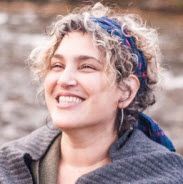
012 - Maia Toll...The Healing Power of Arnica, a Natural Viagra Alternative, and Homeopathy’s Place in a Pharmaceutical World
Ten Minute Natural Health (TMNH): Welcome Maia! Do you have any good natural health tips for us today?
Maia Toll: I think that the starter drug for me in terms of the herbal, homeopathic, natural world is Arnica. You take that in homeopathic doses, usually 30C – those are those little palettes that you put under your tongue. What homeopathic dosing means is that it is a micro-dose. It’s so incredibly small that it’s not going to interact with any medications that you’re on. So that’s one of the reasons that I love Arnica as a starting place. But the other thing is that it’s great for acute pain and bruising from an injury. And so because of that, people can see results pretty quickly. Whereas with things that are used for chronic conditions, the results are so slow over time that most people won’t follow through because they’re not seeing results quickly enough.
Maia Toll: But with Arnica the results are pretty instantaneous. My own personal first experience with Arnica – I was up at a place called Haystack in Maine, which is an artist’s colony doing a class and my finger got stuck in one of the chop saws. It was the tip of my finger and it began to swell like crazy. The kind of swelling where you feel your heartbeat in your fingertips. There was a nurse in my studio and she had me icing it and she had me actually keeping it above my heart at all times. So I was walking around with my hand on my shoulder and my hand above my head. One of the things that she said to me was…if we can’t get the swelling under control, we’re going to have to take you to the hospital, and what they’ll do is slit your finger to let the pressure out. And I was like, oh my God, that sounds horrible!
TMNH: Kind of like how boxing trainers cut the swollen eyelids of boxers during a match.
Maia Toll: Yeah, it’s probably exactly like that. And that was enough to kind of freak me out into doing whatever she told me to do. And one of the things she told me to do was this thing called Arnica that I had never heard of before. This was before I even really began digging deeply into herbs and nutrition and the things that are very much part of my life now. This was way back at the beginning and she handed me these little white pellets and said…put this under your tongue. And I was like, well, that’s bullshit, but you’ve scared me enough so I’ll do anything you say! And so I took the Arnica and after two or three doses, the swelling started to go down. If I didn’t take a dose for a long enough period of time, the swelling started to go up again.
Maia Toll: So it was pretty obvious to me that it was the Arnica that was really pushing the needle on this. And I was scared enough about having to potentially go to the hospital and get my finger sliced open to relieve the pressure that I stuck with it. It was fairly miraculous. The other people at this retreat center – there were about 40 of us doing different studio workshops – everyone was amazed. Pretty much everyone had written me off as the person who’s going to spend the next two days at the hospital. The swelling came down…I didn’t lose my nail. I still have a permanent white mark on my nail. As it grows I always have a mark but I didn’t lose the nail!
Maia Toll: I didn’t have to slice open the finger. I very much attributed that to Arnica. So I think it’s a great place to start because you’ll see results. It’s for sprains – it’s for injuries more than anything else…especially bruises. A couple years back, I was with my husband packing the trunk of the car. You know how when you are trying to get way more into the trunk than wants to go in the trunk and you’re under the hatchback, shoving everything in? I’m not sure what Andrew was looking at or thinking about, but he went to shut the hatch with me still under there. We were over-stuffing the trunk and it was one of those like full-body weight smacking down the hatchback and pretty much smacked me down. Bad concussion! My whole head was in there and it got me on the back of the head. I was about to keel over as I couldn’t find my balance. And so I had him prop me up against the wall and run inside and get Arnica. I just started taking Arnica immediately and pretty quickly moved through the concussion symptoms.
TMNH: That’s amazing!
Maia Toll: I travel with it. It is our first line of defense. Even for stupid things like when you walk into the edge of the table and you’re like, oh man, that’s going to be a big bruise. Grab the Arnica. There are topical preparations and often times if it’s something bad – like with my head and all of the hair it was hard to use a topical preparation so I just went internal, but with my finger I started using topical and the internal. Whenever I can I use both. If it feels like it’s just going to be a bruise, like the walk-into-the-edge-of the-table thing, then I might just use the external topical and not bother with the internal. But at this point we travel with it – when think about your emergency little go-bag, Arnica is absolutely in that.
TMNH: What about Comfrey? I’ve heard that has a similar effect?
Maia Toll: Comfrey is great for bruising and things as well. The thing with Comfrey is it has something called pyrrolizidine alkaloids in it, which are not good for the liver. So taking it occasionally in small doses isn’t such a bad thing, but the best way to take it is tea because that doesn’t pull a strong extraction of the pyrrolizidine alkaloids. And for me personally, if I’m in pain, if I’m hobbling around, the last thing I need to do is try to prepare a pot of tea. Being able to just put a couple of pallets under my tongue is fabulous, but I do have topical preparations that are both Comfrey and Arnica. Topically, they’re great together. But in terms of internally and also for travel, the Arnica palettes come in these little tiny vials.
Maia Toll: So it’s really easy to throw it in your bag and you’re not getting tagged by security. There’s nothing about it that is difficult for traveling or for having in your purse when you’re just out and about town or hiking or whatever. Comfrey is more of a preparation. If you live on the east coast of America and you’re out hiking or something and you can identify a comfrey plant then use it! I’ve actually done this – we were out hiking here in North Carolina and I twisted my ankle and we just found Comfrey and mashed it up to break up the cell wall and used it as a wrap because it has big leaves. We wrapped the leaves around my ankle which got me through the rest of the hike. So, you know, you can do things like that, but for internal and for severe injuries, Arnica is easier.
TMNH: Comfrey was always my go to for those kinds of injuries. And now I can switch that to Arnica.
Maia Toll: You can use both, but I think that having something that’s super easy to take internally is good, and also keep in mind Comfrey comes with warnings. If someone who’s a total newbie is going to Google Comfrey, it’s going to come up with all the pyrrolizidine alkaloid warnings and they’re going to get freaked out. With Arnica actually, you don’t want to take at full dose. You only want to take it as a homeopathic. You don’t want to take it as an herbal. But if you search Arnica, the homeopathic stuff comes up right away because it’s such a common remedy.
TMNH: So someone might be able to get that at a local health food store?
Maia Toll: Yeah, absolutely. It’s easy to find and at this point you might be able to find it at CVS or something. I don’t know that for sure, but it’s become very common.
TMNH: I’m always fascinated and excited with the amount of options that we have naturally that we can use to take care of ourselves. Arnica is an example of a way to deal with an acute issue, but there are so many things people can do regularly to keep themselves very level and consistently healthy.
Maia Toll: Yeah. Well, I think that that’s it. If you take care of yourself on an everyday basis, it just affects the quality of your life. You know what I mean? Like the quality of your life is better because you’re not getting sick all the time and your athletic endurance is good and all of these small things that you don’t think about because you don’t have them, but it’s pretty hard to convince people to do prevention.
TMNH: My mother seems to have a sinus headache every day…and I mean EVERY day. She won’t try anything in the natural realm because it’s not what she sees on TV – that is, what the doctors are telling her to take, which is always, it seems, reactionary instead of prevention. For her generation a doctor’s word is the law.
Maia Toll: I’ve worked with doctors at hospitals and I have worked with the medical community, and one of the doctors I worked with at Jefferson University was trained in Germany where all this stuff that we consider naturopathic is actually part of their core medical training. She would sometimes call me literally with a patient in the room. It’s pretty unusual for a medical doctor or to pick up the phone and consult with an herbalist in front of a patient. She’d be like, hey, do you have any ideas for this?
Maia Toll: The FDA in the USA is totally supporting the pharmaceutical companies.
TMNH: I was a pharmaceutical researcher for many years and now I look at things quite differently. I don’t know if I should be looking at big pharma with a jaded eye. I know there are many good things that they do, but I find, in cases of personal issues, pharmaceuticals are not at the top of the list when I want to remedy something in myself. Usually I’ll look at something naturally as a first.
Maia Toll: If you look at the history of the human race, pharmaceuticals have done some amazing things. They’ve knocked out some of the really big diseases, but they’re not good for self-care. Pharmaceuticals are really looking mostly on the whole at two things. They’re looking at public health, which means that sometimes the things that the pharmaceutical companies do are good for public health but not good for individual health. Like vaccines – there are people who have bad reactions to vaccines and they will not admit that because it’s good for public health. And I think that, you know, there is a place where you have to say as a society, are we willing to have a certain percentage of our members poorly, adversely affected by this because it benefits society? And, you know, we live in a very individualistic time where people don’t want to hear that.
Maia Toll: But there are many diseases that were wiping out communities – and that doesn’t happen anymore. So I am not anti-pharmaceutical, but I do think that we have to keep in mind what they are, you know what I mean? And so I think that there’s the public health and then there’s the profit. Then there’s things like Viagra, you know, like that’s profit driven. Nobody needs to get an erection.
TMNH: You can speak for yourself on that one!
Maia Toll: Ha! But you know what I mean? Lack of erections is not a public health issue…it’s not even a personal health issue…it’s a desire. But if you had to take Yohimbe instead…and were ok that it takes six months to work, that would be fine. You know what I mean? But I think Viagra is profit driven. The problem is you can’t patent the herbs. You can patent a process – you can patent an extraction process or something, but you can’t patent dandelion, for example.
Maia Toll: I think thats where Monsanto scares me is that Monsanto is starting to patent plants. For instance, Monsanto is suing farmers who have fields next to Monsanto plants and when they cross-pollinate…and that farmer starts growing something that is the Monsanto variety…but not on purpose, but because they cross-pollinated, Monsanto has been suing them and winning. So that’s pretty scary stuff because we were talking about controlling the food supply, controlling the medicine supply – to me that’s some of the scariest stuff going on right now – that that’s being allowed to happen.
TMNH: Sounds like a law process that is not understanding the whole scope of things.
Maia Toll: There’s quite a bit in our country that is still very profit driven. So for me pharmaceuticals are acute care and there’s a place for acute care. But I think that if you can work with things that are not so hard on your body and not so hard on the environment and not so expensive first, that makes sense to me. And truthfully, most chronic conditions I have seen, even people who have been on pharmaceuticals for a long period of time, respond to lifestyle changes and herbs and homeopathy – they don’t really respond to pharmaceuticals. All the pharmaceuticals do is mask the symptoms. They don’t heal the problem. So I think that pharmaceuticals do heal some acute things – like bacterial infections, viral infections, things like that.
Maia Toll: But the chronic stuff – it takes a long time and it just takes work and it takes getting to know your body and it takes trial and error and people don’t want to do it. My dad is classic, you know, like he’s got so much wrong with him and he’s on a zillion drugs and we are of the same DNA! I’m always saying to him, I’m like, Dad, the stuff that I figured out for me could very well be true for you. And you don’t have to go through the trouble to figure it out! If you follow my blueprint, I bet that you’d see some relief but he doesn’t want to change. But he’d rather pop a pill then avoid a food.
Maia Toll: I think they think that they’re living better. My dad’s sneezes when he eats tomatoes and he also gets migraines. I stopped eating tomatoes and my migraines went down 80%. I tell him, stop eating tomatoes, see what happens. You already know you sneeze, so your body’s obviously having a reaction. But he says, I love tomatoes and I’d rather just take medication to mask it!
Maia Toll: I think also you’ve got to get miserable enough. You know what I mean? When you’ve spent three days in a row hugging the porcelain goddess, unable to even lay down, because it’s “worse” when you lay down, then all of a sudden tomatoes don’t taste so good anymore! Unfortunately, and this is evolutionary – we learn through pain and trauma. It’s not even psychological so much as it’s like evolutionary. We are programmed that way because on an evolutionary level, that’s what kept us from repeating the things that were causing the pain and trauma. And so like that’s the way we learn best, which sucks, but it’s true!
TMNH: It’s a natural way to learn. People aren’t going to address a problem unless they feel sickened or physically incapacitated.
TMNH: Thanks for the great information Maia!
Maia Toll: You are so welcome and good luck!
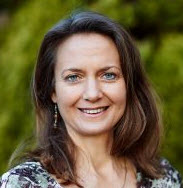
013 - Robyn Chuter...The Importance of Developing a Healthy Gut Microbiome
TMNH (Ten Minute Natural Health): Hi Robyn, do you have a natural health tip for us today?
Robyn Chuter: Sure! One of the most popular topics in the blogosphere and in the Internet space is the microbiome. And so most people, when they’re getting interested in health or natural health, start to hear the term “gut health” and wonder what that actually means.
Robyn Chuter: Gut health is fundamentally about having a healthy gut microbiome. In other words, it’s having a good diversity of microbial species, mostly bacteria, that inhabit the gut, particularly the colon. If you have that diverse range of that microbiota, the things that you can expect are firstly that you’ll have lower levels of inflammation in your body. Also, you’ll have much less chance of developing conditions like irritable bowel syndrome, inflammatory bowel disease, or autoimmune diseases in general. If you have a healthy gut microbiome you’re less likely to become depressed or anxious and you’re actually less likely to be overweight. On top of that, you’re less likely to become diabetic, there’s several cancers that you’re less likely to develop, and you’ll be less likely to have a heart attack. So cultivating a healthy gut microbiome is one of the most important things that you can do.
Because this is such a popular topic on the net, a lot of people think that you’ve got to take probiotic supplements or you’ve got to eat sauerkraut all day or drink kombucha. And actually none of those things are really useful in cultivating a healthy gut microbiome because the bacteria that you take via probiotics, kombucha, or any of these foods on the whole don’t become resident in your gut. They are transient – they just pass through. And that’s okay – they can still deliver some benefits, but what you really want is to grow, nurture, and cultivate what we call the native bacterial species, our natural flora. And so my tip for doing that comes from a citizen science project called the American Gut Project. This ongoing project analyzes stool samples from thousands of people all over the world. They submit their stool sample along with answers to a very detailed questionnaire about their lifestyle habits, manner of birth, whether or not they were breastfed, when was the last time they took antibiotics, etc. But the single factor which has been found to be most predictive of having a healthy diverse gut microbiome is the number of different plant foods that they ate every week.
Robyn Chuter: So if you ate 30 or more different plant foods… and this includes different fruits, vegetables, whole grains, legumes, nuts and seeds every week, you’re going to be in the uppermost percentile of gut microbiome diversity. That means you’re going to have all those benefits – such as the metabolic health, reduced inflammation, reduced cancer risk and so forth that I mentioned before. So the goal is to eat 30 different plant foods every week.
TMNH: We’re always told to eat our leafy greens and fruits and this is another reason as to why to do that if we didn’t know why we should be doing that.
Robyn Chuter: Yes, as much as you should eat vegetables and fruits, also include whole grains, legumes, nuts and seeds. All of these different plant foods contain different types of fiber and different types of resistant starch which is great because gut bacteria have different food preferences. So if you’re just eating vegetables, you should know they contain various types of fiber and some of them have certain types of resistant starch, but if you cut out legumes and grains because you’re following a paleo-style diet, you’re actually going to have a much less diverse gut microbiome because you’re not feeding your gut bugs which prefer the other kinds of fiber and starch, which cultivates diversity in your “gut garden”.
TMNH: So the key is to not only eat proper foods, but eat them in variety.
Robyn Chuter: Yes, an enormous variety, not just eating the same vegetables and the same fruits or even the same grains over and over again.
TMNH: It’s my understanding that we can train our brain to want specific foods, whether good or bad. I mean that if, if we eat food that’s bad for us, such as processed foods or junk foods consistently, then that’s the kind of cultures that we’re cultivating in our gut biome and the biome is giving the message to the brain that that is what we want.
Robyn Chuter: Yeah. There’s a couple of ways that this operates. So the most dominant bacterial species in the guts of people eating a typical western diet, which is a high protein, high fat diet that’s low in fiber, is bacteroides. Bacteroides create an environment where the acid-alkaline balance, or the pH balance in the gut is somewhat more alkaline, which is a bad thing. We actually want our guts to be more acidic. When you eat a diet that’s high in fiber and resistant to starch, you grow other types of bacteria, especially prevotella. Prevotella ferment carbohydrates, indigestible carbohydrates, and produce short chain fatty acids, and they make the gut more acidic.
Many gut bacteria are capable of making neurotransmitters. So the same compounds that our brain cells use to talk to each other and to communicate with other cells around the body are actually made by bacteria in our gut.
The other thing that bacteria do is they communicate with what are called entero-endocrine cells. These are hormone producing cells in our gut. Bacteria can actually alter the production of neurotransmitters by our own cells. So this is how this works – if, for example, when you get miserable, you always eat chocolate, chocolate is very high in fat and it’s high in sugar. So you’re going to feed the bacteroides population and the bacteroides can actually amplify the emotional state that you’re in that caused you to crave chocolate in the first place. So, you feel miserable for longer, which means you eat more chocolate, which means the bacteria are happy now.
So what we think are our food cravings, it’s actually only partly us. Now, there’s no doubt that high fat and high sugar foods do set up a particular chemistry in the brain. They stimulate dopamine receptors in the brain. So they give us that sensation of reward. However, our food choices may not be entirely ours.
Robyn Chuter: They are largely driven by our gut bacteria. Let’s say you’ve changed your diet from a typical western high fat, high sugar, low fiber, high refined carbohydrate diet, which is low in whole plant foods to something different…you’re going to actually have food cravings. You’re going to have withdrawal symptoms from your former foods for the first couple of days, and a lot of that is actually driven by your bacteria down in your gut saying, basically…”feed me, feed me, feed me what I’m used to eating! Give me more protein, more fat, stop throwing this fiber at me… I don’t even like that! I don’t know what to do with it!” But the good news is that it actually only takes three days to change. In the studies that have been conducted where people’s diets have been changed radically, the gut bacteria populations change in three days. So if you can hang on for three days…and I’m not saying all of your food cravings for junky foods will go away, but you will start to significantly shift the gut flora population in favor of those bacteria that like high fiber foods…that like unrefined carbohydrates, veggies, grains, legumes, fruits, and so forth.
Robyn Chuter: So the message is hang in there. It’s tough at first, but you can eventually cultivate bacteria that will make it easier for you to actually like the food that’s good for you.
TMNH: We’re told that the subconscious controls everything that we do and this is similar to that. Basically it’s our guts “subconsciously” controlling another aspect of everything that we do and I’m not sure if people are aware of that. If we understand what’s happening, then we can set up the processes to control it – by eating good foods.
Robyn Chuter: We would like to think we are this super-evolved species and our conscious decisions control everything we do and I think it’s a little disconcerting for us to realize that we have this 2-4 pound organ inside our gut – which is increasingly how research is describing it; our microbiota are like another organ in our body – and this organ in our body has a mind of its own and once you learn how to work with it, that is, how to feed the friendly bacteria in your gut, you can get that second “mind” on your side. Certainly if you’ve got a gut full of bacteria that love protein and fat, it can be really working against you in a lot of ways.
TMNH: I think everyone can summon the discipline to hang in there for three, four, or five days to make those kinds of changes.
Robyn Chuter: Yes.
TMNH: In the past, whenever I have begun eating poorly for a few days, it feels wrong. When I’ve gone back to those bad foods, I notice a difference. And it’s not that I can consciously put into words, but there’s a difference.
Robyn Chuter: A lot of people will say the food “doesn’t taste as good as I remember it and it just doesn’t feel right anymore – like I feel heavy or I feel flat or that something isn’t right.” The human liver is basically the body’s chemical factory and yet your gut microbes are making more chemicals, carrying out more chemical reactions, than your liver. When you think about the fact that that additional organ in your body carries out more metabolic reactions than your liver…It makes sense that people feel the difference when they eat healthy food. Therefore, they have a set of what you might say healthy chemical reactions going on in their gut versus when they eat poor food and they’ve got chemical factories making inflammatory compounds and compounds that lower their mood, increase their joint pain, slow down recovery after exercise, and so forth because that’s exactly what an unhealthy gut microbiome does.
TMNH: Great stuff. Thank you. I can actually apply that to my own life now.
Robyn Chuter: I’m happy to help!
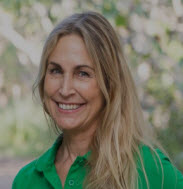
014 - Michelle Brass...Naturally Fighting Inflammation
TMNH (Ten Minute Natural Health): Hi Michelle, I understand you have an interesting plant to tell us about!
Michelle Brass: I’ve worked as a naturopath for many years and I’ve come across the same sort of problems where people get caught up in the whole pharmaceutical brainwashing. They look at pharmaceuticals as the be-all and end-all of everything. I have recently developed some products that are based on a plant that’s grown here in Australia and that’s been very exciting. We have had a lot of people whose health has improved quite markedly by using products based on this particular oil. It’s completely natural and it’s from the bush – the basis of where all medicine started anyway. I would encourage people who have any type of inflammatory condition in their body to look to alternative methods as opposed to actually taking pharmaceuticals, which as we know have lots of side effects.
Michelle Brass: I lived in Tasmania for seven years and that’s where I came across this particular essential oil. I was pretty blown away by the results I actually had by using the oil in massage therapy and reflexology and by using it on people who did have certain types of pain and different ailments. And so that kind of drove me, to work along with a pharmacist who actually started to produce the products for me based on its oil. And it’s now actually become a beautiful way to help people in pain. And we just got over here in Australia the TGA listing on that, which means the therapeutic goods sector have actually now acknowledged that it does work. That’s very exciting as well for people who need that little bit of proof of science.
Michelle Brass: I for one have actually taken herbal remedies and supplements and eaten well all my life. I’m very mindful of looking after my body. So I don’t want to put too many drugs into it if I can help it.
TMNH: What is the name of this plant?
Michelle Brass: So the plant is called Kunzea Ambigua and it’s primarily found in Tasmania in the southern parts of Australia where it’s windy and harsh. So it likes the wild, windy, and cold weather. It is similar to a tea tree, although it has similar properties such as being antiviral, antifungal, and antibacterial. It’s also now being proven to reduce the inflammatory process, which is very exciting because a lot of problems in people’s health come from inflammation. And if we can reduce the inflammatory process naturally or help to alleviate the problems associated with inflammation we can help a lot of people.
TMNH: So is this used in an essential oil form?
Michelle Brass: We haven’t developed the oil. Of course we’ve research the oil and from the oil we’ve developed a range of products. Those products are in the form of a balm and cream. We encourage people to use it topically with their inflammatory conditions. You can actually use the essential oil in a diffuser and that way you’re inhaling the actual oil. It also has antidepressant qualities which means that it makes people feel good. And I believe that that’s also really important when you look at health. You have to have that mind-body connection and positive way of thinking in order to help the body heal itself as well. So it’s a pretty cool oil.
TMNH: I actually don’t know much about this particular plant or have come across it in any literature. How did it come across your personal radar?
Michelle Brass: I actually studied aromatherapy with my naturopathic medicine. This is many years ago and I studied a multitude of different essential oils. I had never heard of this oil. I was living in Sydney at the time and when I moved down to Tasmania it was then that a couple of local people came in to see me in my clinic and asked me if they could get some of this oil from me. And I said, well yeah, great, but I don’t even know what you’re talking about! So I had no idea about this oil.
Michelle Brass: I was basically introduced to it by the Tasmanian local people who had been using it for many years…it had just been lying low and no one really knew a lot about it. I think now it’s really just becoming the new lavender or the new tea tree or eucalyptus – those oils that are really well known, popular, and used extensively throughout the world. I think this one is going to be one of those oils.
TMNH: So you took on the role of an ethnobotanist – went out into the wilds to find something unique and may have potentially made a discovery that could really help a lot of people!
Michelle Brass: Yeah, something like that! But I must say that obviously I wasn’t the one who discovered this oil. Going back about 35 or 40 years ago – the story goes that there was a man living down in Tasmania who had quite extensive farm land. He had a big metal fence around his property and he noticed that the fence was not rusting in one particular area whereas other parts of the fence were rusting away and deteriorating. So he decided to remove a plant that was growing over the fence where no rust was forming. And he thought, okay, well this is doing something to this fence to keep it from rusting. His initial investigation into the oil took him to the University of Tasmania and they started testing it. It was from there that this anti-inflammatory effect has been proven. Obviously it was like an anti-rust to the fence, so it’s now proven that it can be an “anti-rust” to the body as well, which is exciting!
TMNH: Will we be eventually hear more about this?
Michelle Brass: Yeah I’m pretty sure you will. Even here in Australia where we source it – a lot of people still do not know. I do big festivals. I’m about to do another one in a month’s time in Brisbane and I can honestly say that probably 80 percent of people I’ve talked to have never heard of this oil in Australia. And so more and more people will be starting to hear about it and I think that it’s going to become one of those oils where everybody will be wanting to try it because it’s so cool. It is definitely going leave its mark.
TMNH: It’s exciting to find something new and to know that there are new discoveries still to be made. So thank you very much for that interesting and exciting bit of information.
Michelle Brass: Bye!
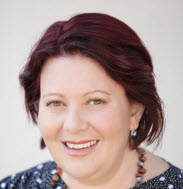
015 - Alice Bullivant...Tackling Anxiety with Kinesiology
Ten Minute Natural Health (TMNH): Do you have a natural health tip for us?
Alice Bullivant: Kinesiology is a really beneficial therapy to try is because it actually taps into your body systems. It even taps into areas underneath your subconscious.
Alice Bullivant: It takes out any bias that the mind has…conscious or subconscious, so it really taps into what your body is telling you to resolve its own problem. The body, because it doesn’t have any bias – it’s either yes I need this, or no I don’t need that…and this will solve my problem. So that’s really the basis of kinesiology, but I actually use it from a Chinese medicine perspective. So I use the body’s muscles to find out what’s going on, what the body wants and what it doesn’t like, and what it needs in a lot of cases. And then I actually use Chinese medicine to analyze the symptoms to find out the reasons something is going on. So Chinese medicine uncomplicates what we’ve managed to complicate in western medicine.
TMNH: Could you give an example of how this works?
Alice Bullivant: Anxiety is probably a pretty good topic because a lot of people all over the world are dealing with it. In Chinese medicine, interestingly enough, anxiety doesn’t actually exist as a condition. It’s rather a symptom – a symptom about fear or overthinking. So when we work with the body, we actually work on that root cause of the fear – then the anxiety goes away because it’s just a symptom of your body saying that it’s unhappy about something. Then we enable it to remember how to solve its own problems. Kinesiology and Chinese medicine isn’t about me fixing a problem but rather it’s about facilitating your body to do its own healing.
TMNH: So if someone has anxiety you’re trying to somehow work with the subconscious via Chinese medicine to help facilitate a change?
Alice Bullivant: Say it’s a fear- based anxiety because we’re frightened of something. So what is causing the fear? Let’s work on that. If it’s an overthinking-style anxiety, why are you spending so much time in your head and not in your body? Your body is where we need to be in order to be living an authentic life every day and live from a heart-centered space. So if we’re too much in our heads, why are we doing that? What are we actually trying to avoid feeling or processing and what can we do to actually resolve that to then make the anxiety go away?
TMNH: Here in the United States, we have a plethora of medications we can take to make anxiety go away! But you’re saying that Chinese medicine somehow does the trick by working with the subconscious?
Alice Bullivant: If you actually look at it from a Western medicine model the answer is – if you have anxiety, it isn’t going to go away and all that can be done is to manage it because it is seen as a condition, a life-long condition, that can never be cured. So when we look at it from a Chinese medicine perspective, anxiety is not a condition. And even from a natural therapies perspective, it’s a symptom that there’s something going on with you that isn’t working for you. So when you change that, then the anxiety goes away because it’s a very clear symptom that is making your body unhappy.
TMNH: So say I’m anxious about having to pay bills and I overthink that to the point where I’m thinking so much that I literally have caused myself a clinical problem of some kind. Of course here in the USA, if I sought treatment, the anxiety would be diagnosed and I’d likely be given a prescription medication. Then it would become a long-term issue I’d have to manage. And since I proceeded through the medical system to deal with my problem, I’m conditioned to think that I now have a disorder and have few options to deal with it. How would you deal with this problem if I came to you instead and wanted to try something more natural to alleviate whatever clinical manifestation my anxious thoughts have caused me?
Alice Bullivant: In that particular scenario the overthinking would be tackled by using a management tool to try and deal with the fear. So you say you have a fear about money. So in that case we would explore, from a Chinese medicine perspective, the fear itself and actually deal with your body’s automatic reaction to that. And then I would actually explore through kinesiology counseling why you have a fear of money. Is that because you come from a sense of lack or is that because you come from a situation where your family suffered from financial instability when you were a child? If you have an ingrained fear from that perspective, let’s make you connect with that, get you to understand that, and then help your body to be able to let it go.
TMNH: So it’s a true mind-body connection healing modality at work here. How specifically do you do this? You mentioned the fear-based mind background to the problem, but what comes next? How to do you now help the body after isolating the harmful psychological component? What do you do to the body at this point?
Alice Bullivant: So we use acupressure, which is acupuncture without needles. With acupressure, your body’s telling me at which point it needs to be stimulated in order to resolve the problem. We also use a variety of other techniques. We might use energetic medicine such as things like Chakras and crystals, energy work, or even Reiki. We might even use flower essences, essential oils, and sometimes massage. We use a variety of tools, but again, it’s your body saying yes, this is what I need – I need crystals, I need acupressure, etc.
TMNH: A patient in this case will often not know what they need! I think people, especially people new to this arena of healing, would struggle with the question of how do you get from the acupressure to the point where you’re feeling relief from anxiety around paying bills or the negative psychological response we have about a lack of money? I understand that we have to isolate the fear, but then take me to how I can attack the anxiety in the body?
Alice Bullivant: So maybe you are stuck in the fear of losing everything. So I would use the body’s muscles to find out where the stress is. So I would touch the acupressure point with one hand and test the person’s arm with the other hand. And when there is stress in the body the arm drops. You can’t even hold your arm up and it’s not a strength thing – it’s really just a resistance thing.
Alice Bullivant: So if it’s not stressful and I apply a bit of pressure, my arm holds up. When I apply pressure and it is stressful, then your arm actually automatically just drops. That’s pretty much the amount of force that I use. It’s not a strength exercise, it’s a neurological connection between the body and the mind.
TMNH: Yes! That’s what I’m looking for here!
Alice Bullivant: To be more clear, the basis of that is actually if you’re trying to pick up something that’s too heavy, your body automatically let’s go unless you pretty much consciously overcome that, right? That’s actually a protection mechanism because the muscle sends a signal to the brain that says…you know what, my muscles are going to tear if I don’t let it go. So the brain goes, okay, we’ll let it go then because we don’t really want your muscles to tear. So then your muscle goes, okay, sweet – and lets it go. It’s the same principle with kinesiology. So this is stressful – so it tells the brain this is stressful and the brain says, okay, we’ll let it go. So that is how we actually find the stress in the body.
TMNH: Once the body lets it go, is there a permanence here or is it something that needs to be repeated over time to make sure that it becomes permanent? Are we laying down some sort of networks in the brain to make sure that this issue is dealt with physically so that it doesn’t, it doesn’t manifest itself emotionally or vice versa?
Alice Bullivant: So it does lay new neural pathways in the brain because it actually helps with the connections between the synapses in the brain. We know a lot about neuroplasticity now. That’s part of what happens. The other part of what happens, because again, it’s below the subconscious – the physical brain isn’t involved so much or in control so much with this process. When we use acupressure it’s about the flow of chi in the body. Chi can be considered the life force, vitality, or the energy in the body and it flows around the body in meridians. The meridians in the body are like train tracks and the acupressure points in the body are like train stations. So energy can get stuck in the train station. Also note that each acupressure point has a particular psychology and physiology that goes with it. So when the flow of chi stops, that’s when we start to have problems related to whatever that acupressure point in question is. This is why using the body is very important in dealing with an issue such as anxiety.
Alice Bullivant: We all, including myself, have assumptions as to what the underlying problem could be. If I go with my assumption as opposed to what your body’s telling me, that’s not going to solve your problem. Especially if my assumption was wrong! And that’s why the kinesiology is good because using your body tells me what you need to solve your problem.
TMNH: Then from there laying down the new pathways in the brain, that’s the gateway to into the subconscious and beneath the subconscious? But in order to do that doesn’t something need to be repeated very often ? If I want to learn a language, for example, I have to continually expose myself to it over and over until it gets into my subconscious or below. Is this something similar?
Alice Bullivant: Repeated in the sense that a person would typically come to see me about six to eight times. So for adult I would see them for a 90 minute session, which is quite low. However, that gives me a lot of time to work through the things that are going on. It gives you time to connect with what’s going on. That is, what you’re coming to tell me is wrong with you, why this is happening for you, and then for me to actually do the body work therapy. Then you would probably come back in about three or four weeks. In the meantime, what I would actually do is give you some homework to reinforce what I’ve done. It gives your brain time to lay the new neural pathways and put in new habits to reinforce the changes that we’ve made. It’s about stimulating your body to be open to doing new things. And then also for you to consciously make changes in your life to reinforce the way that your body works now.
TMNH: I don’t think people in general understand, or they don’t see it as something that’s tangible, how they could get from an emotional feeling to having something physically changed and have the emotional feeling released.
Alice Bullivant: The basis of Chinese medicine is that all physical issues come from an emotional base. So you’ll actually often see, for example, fearful people will typically stand on the balls of their feet with their heels just off the ground because they’re ready to run. So fear is about safety and that actually automatically tells your body that it needs to be ready for danger at any point. Another example would be people who tend to hang onto everything – that is, bring every problem with them through their lives. They tend to have back and shoulder issues because they carry the weight of the world on their shoulders.
Alice Bullivant: So it’s very interesting when you look at a person’s problems and then look at it from a Chinese medicine perspective at the same time. You’ll actually find, in the fearful-person case, that resolving that issue makes a lot of other issues go away. But because it comes from that emotional base it represents in the body at some point, if it is not dealt with.
TMNH: Thank you very much. That was very interesting.
Alice Bullivant: Have a nice day!
016 - Kyra Howearth...Getting Started with Meditation & Dealing with Stress
TMNH (Ten Minute Natural Health): Do you have a helpful tip for us today?
Kyra Howearth: My area is stress. Stress is at the root of so many conditions that we see – every client that I have in my clinic has stress as one of the underlying causes of their problems. I’m a herbalist but one of the things that I really do recommend for my clients is not so much to do with herbs but more to do with their lifestyle. So lifestyle, meditation, journaling, yoga; these are all little things that I encourage my clients to do to really help reduce their stress. This is going to have massive impact on the rest of their health as well.
TMNH: Is there a good pre-meditation herbal tea that you can recommend?
Kyra Howearth: In my own experience I do enjoy like a really nice calming lavender, chamomile, or valerian. California poppy is another one of my favorites. It’s a bit stronger, but it’s very calming. Then, meditating and going to bed as part of a nightly ritual. It’s just a really nice calming way to unwind at the end of the day which helps a lot with stress reduction.
TMNH: Many people avoid meditation because they have trouble even getting to the point where they can calm their mind enough to even try it.
Kyra Howearth: That’s exactly it. A lot of people sit down and their mind’s just racing and thinking about million things that they have to do. And of course emails, phones, and whatever. So having a calming herb is a really great way to get into the right mindset.
TMNH: What about absolute beginners? In my own experience at the beginning I would follow all of the rules…I would have my tea, and then sit in a position, and then there seemed to be a lot of resistance. I wasn’t sure what I was after, but there was still resistance to getting there. I felt as if I wasn’t sitting correctly, or doing anything right! Do you have any advice for someone who’s just a complete, absolute beginner – how to it get over that initial hump and keep going with it?
Kyra Howearth: It is hard to start. Something that I recommend is using a guided meditation app that has recorded audio. There’s quite a few out there. There’s one that I specifically like – as most of my clients are parents, called Mind the Bump. It is specifically for parenting and it goes into a lot of issues during pregnancy and during early childhood. It helps parents deal with those issues. But of course there are others out there like Headspace, they have recorded meditations that focus on other areas of life. Anxiety is one area that they cover. They have a wide range of topics that can be specific. They’re very useful. So yes, I think if you’re just sitting there and you don’t really know what you’re doing – recorded meditations are great.
TMNH: Just getting started is the hardest part for people. They understand and they read about all the great effects that meditation can have for them, but even just sitting, for example – it’s hard for the muscles to even adjust to sitting in a still position. People have trouble with that as well and feel as if they’re doing it wrong or I can’t do it, and they prematurely give up something that could be really great for them.
TMNH: A guided meditation might help with something like that?
Kyra Howearth: Absolutely. You can also try a progressive relaxation which can help with awareness of your body. To do that you would relax right from your toes all the way through your body and that gets you into that right mindset being in that relaxed position as well.
TMNH: I’m always telling people to give meditation is shot, but there’s always something that stops them. Some of it’s mental too. I’ve literally been laughed at when I tell a tough-guy truck driver to try meditation but get rebuffed because it’s too woo-woo, so to speak. But if I can get past that, get a calming tea into them first, and then have them sit in a proper position and then try and hold that position so that you can relax your mind. I know it’s good to have your back arched in a slightly – but many people aren’t used to that – their muscles tire after a couple minutes of sitting in that position. Is that normal – if there is such a thing as normal?
Kyra Howearth: It’s best to find a position that’s comfortable for you. If you’re not comfortable, you can change your position. You don’t have to be strict about it. There really isn’t a right or wrong way to meditate as long as you’re actively trying to let your mind relax. That’s the whole point of it.
TMNH: We see the typical magazine image of the girl sitting there in a certain position that is probably a difficult position for most men and women to hold for a long period of time. Automatically people think…well I just can’t do that. They don’t even start. But what you’re saying is that there’s no right or wrong way. It’s more about calming your mind. Don’t worry about the position. And even if you get tired you can change your position.
Kyra Howearth: Definitely. I’m no yogi or meditation teacher – the way I practice meditation is the way that works for me. So if it’s just lying in bed at night and that’s the only chance I get then that’s fine. I might just have a few minutes of meditation before I drift off to sleep. As long as you consciously try to fit it into your day somewhere -that’s the main aim of it, isn’t it?
TMNH: The actual amount of time doing it doesn’t matter either. One can literally try it for one or two minutes and get results. Then as comfort with the system grows then it can be lengthened if desired.
Kyra Howearth: That’s right!
TMNH: Thanks for the great tip!
Kyra Howearth: Have a great day!
017 - Sylvia North...Embracing Whole Foods & Redefining what Real Food Actually Is
Ten Minute Natural Health (TMNH): Is there anything interesting you could tell someone who might be new to natural health?
Sylvia North: I’m a registered dietician in private consulting and so what we do is we focus on getting people on a good quality nutrient dense whole food diet for supporting a myriad of health goals, whether it be weight loss, athletic, managing or resolving health conditions, or generally looking slow aging and be the best we can be.. One of the most powerful things that a person can do with eating is actually rethinking what eating natural whole food is really about. Natural whole food should be minimally processed food as it naturally occurs in nature. What we find is people actually do a lot better on a whole food based diet that’s actually lower in carbohydrates, lower in sugar, embraces healthy fat, and looks at balancing nutrients.
Sylvia North: In the world of nutrition we refer to this approach is as LCHF which stands for Low Carbohydrate, Healthy Fat or Low Carb High Fat. When we look at actually eating less carbs we should think about eating less of the sugary and floury-based foods, which are the foods that we find all the in the middle of the supermarket. Typically, all of the real foods actually are on the outside. So you have to go on quite a mission to get the real food. But all the cookies and the sweet foods are in the middle.
Sylvia North: When we actually look at eating more whole unprocessed carbs and embracing fats in this natural whole-food context, it’s kind of…we’re not supposed to be having energy slumps. A common scenario is mid-morning going down to get coffee or mid-afternoon needing to get another snack. This is blood sugar dysregulation and it’s because we eat such a refined diet that doesn’t actually hold our energy levels sufficiently. It doesn’t give us the nutrients for our brain. The research is really now pushing that the underlying issue with blood sugar is hyperinsulinemia, as well as a whole myriad of inflammatory health conditions. So if we have too much insulin in the blood, this important hormone play may play a role in the development of many chronic diseases or metabolic diseases. So if we can balance this hormone and balance our energy levels, it will have a potent effect on long-lasting energy, mental clarity, appetite control, weight control, and many other health issues that come from it. So overall it’s about eating natural whole foods. The science is catching up on why it works.
TMNH: So a good rule I try to follow is…if it doesn’t grow naturally, I can’t eat it.
Sylvia North: If it’s something that you can trace back to where it has come from; if it’s recognizable, then totally yes. And it even comes back to a lot of our, “healthy foods and health foods” at the supermarkets, which might not be, breakfast cereals, for example. One really good example that I might say to a client is…if you know how to make a breakfast cereal, like Special K, at home; and if you have all those ingredients in your house and it’s relatively easy to make, then eat it. But I don’t know how to make Special K flakes! I don’t know how to make corn flakes – I can’t do that in my kitchen! So to actually get that food product is quite a heavy industrial process. Rather, I could have a bowl of oatmeal or make some cookies out of three ingredients from something that I have at home.
TMNH: I grew up on Special K! My Mother stuffed me with it – with good intentions of course!
Sylvia North: Yeah! Because they told us that it’s got vitamins in it and it’s high in protein. But you know what’s also high in his vitamins and protein? A boiled egg!
TMNH: It’s social conditioning as much as anything. We’re constantly bombarded with TV commercials telling us what to get that’s good for us. We’re told these items are packed with good things but we’re not told the complete story of how they affect us. So my Mother’s motives were good, and we would like to believe what we’re being told by an authority, but they didn’t know any, any other at that time. People need to give more thought as to what’s in things. We shouldn’t be so quick to hand over our trust without doing some research for ourselves.
Sylvia North: What we have here in New Zealand are a lot of ‘family favorite’ brands. People put their faith in some companies that have been households for the last 50-60 years. Similarly there are US companies creating similar food products like our corn flakes. I grew up watching ads of kids on sports teams or really famous cricket teams, and they’d always have their sugar-laden drinks. Milo, according to the ad, is what makes you faster and stronger and fitter. So we are actually given these messages from a really young age and it then just becomes a part of the culture.
SyIvia North: I think it is about re-questioning what real food is. If you lived on an island or if you lived away from a supermarket for a large amount of time, what kind of food would actually grow and live? You would then be able to make your own small community because that is what real food is about.
TMNH: I tell a lot of people if they want to start getting healthy, one of the biggest things they could drop is bread. But bread is such a big part of our culture – everyone, it seems, has a sandwich of some kind for lunch! I have found, for myself anyway, that I had to consciously come up with a plan of some kind. I would analyze everything that I ate – and then try to come up with better alternatives that might function in the same way.
Sylvia North: Well that takes a bit of work. Bread is a very convenient and processed carbohydrate. But if you’re taking your carbs from more vegetables or leftovers from dinner the night before as a lunch, you’re getting a whole lot more vitamins and minerals in that context. It’s not going to send your blood sugar levels on this roller coaster throughout the day. Those floury carbs are very convenient and very quick and very delicious. When we look at all of these kind of more refined carbs in our diet and overhauling our diet with lots of vegetables and some healthy fats to keep us feeling full, you really boost up the nutrient density.
Sylvia North: Initially this approach was overthrown by people who would say…well, if I’m not having whole grains, where am I getting my fiber or my vitamins? But, we can quantify how many vitamins and how much fiber you could get if you replaced some bread with a lot more vegetables and things like nuts and seeds, good quality meat, eggs, and low-fat dairy. You will get a lot of vitamins and minerals and you’re not going to become deficient.
TMNH: As you say, there’s no need to have ups-and-downs and crashes. If somebody would consider that, it could motivate them to make a change. From what I see, people wake up, grab a low-nutrient drive-thru meal while rushing to work, and then at 2 or 3 they either want to go to sleep or they’re not productive. It’s so common and widespread that we see it as normalcy! If someone wants to be more productive in their given trade, he or she needs to consciously give thought to what they are eating. If they put aside what they’ve been ‘told to know,’ do some research for themselves, and eat more nutrient-dense foods, it could change their lives.
Sylvia North: I’ve been thinking about how much it impacts on mental health and also how a low blood sugar level actually triggers anxiety for some people and just having a low mood from having these crashes in the afternoon. I think that could actually have a profound impact on a person’s quality of life if you just have clearer focus and energy from a good quality diet.
TMNH: Those are a few great tips you gave today…thank you!
Sylvia North: have a great day.
018 - Norelle Hentschel...Great Food Choices and Sage Tea for Navigating Menopause & Hot Flashes
TMNH (Ten Minute Natural Health): Hi Norelle, could you give a quick tip for us today?
Norelle Hentschel: What I would like to talk about is menopause, which is obviously a natural life stage that every woman has to go through. It’s typically portrayed as something quite horrible and scary that needs to be managed. Unfortunately, sometimes women are medicated with antidepressants, but there are really a lot of things that women can do to support the transition and make it easier on themselves. And some of those things are basic things that all we should all be doing for good health. Those include making sure stress is managed, getting regular exercise that helps support the production of neurotransmitters, and managing blood sugar.
Norelle Hentschel: So definitely balancing out the sugar is an important part. In terms of diet, there are some particular foods that are really good for women who are going through peri-menopause. Those are the phyto-estrogen foods. They’re not estrogen as a hormone, but what most of them do is they work weakly on the hormone receptors. So they occupy the receptor, but between 10 and 100 times less potently than estrogen, but just enough to give a little bit of a stimulation. So there are things like soy products which are good; as are the fermented foods like tofu and tempeh. Chickpeas, lentils, flaxseed, alfalfa sprouts, and even the good old onions and apples are great foods too. So having a couple of servings from those classes of foods daily can really make a big difference in managing hot flashes.
Norelle Hentschel: That’s really achievable with diet stuff that women can do.
TMNH: Can you define hot flashes for cavemen such as myself?
Norelle Hentschel: It’s basically when your body temperature goes awry. Estrogen helps regulate body temperature through various hormonal mechanisms. When you’re going through the early stages of peri-menopause, estrogen is kind of on a rollercoaster. It’s going up and down and up and down. The set point, your hypothalamus, looks at the temperature in your body and it sets a baseline point. It gets confused because estrogen is going up and down and it’s wondering what’s going on? It doesn’t know where the right temperature should be, so it’ll try and adjust it and in doing so you end up feeling really hot. Hot flashes can be very severe in some women. There are a lot of times when women are going through this transition when their careers are peaking and they have to give presentations, etc.
Norelle Hentschel: So it can be something that a lot of women worry about in terms of preparing to feel and look horrible, and all of that sort of thing. So it’s good to do things to minimize hot flashes. So with those lifestyle diet strategies, that’s a really good way to do that.
Norelle Hentschel: One of my favorite things is a herb that’s a very common culinary herb called sage. You can make it as a tea – so you can either buy it dried or use the fresh tea. The trick with this one is it must be a cold tea. If you have hot tea, it will do the opposite and it will make you even hotter and sweatier.
Norelle Hentschel: So cold tea is definitely the way to go with when it comes to sage. So take a couple of tablespoons of dried sage to a liter of water. If you’re using fresh sage, you double the amount of sage, put it in a saucepan and simmer it for 10 minutes, then turn the heat off and let it sit for another 15 minutes. And then let it cool down, bottle it, and put it in a jar in the fridge. Four cups of that tea a day is very effective. Only keep it a maximum of two days for each batch because it’s not preserved with anything so it could grow bacteria. So make it fresh every two days. What I find with sage is that for women having hot flashes, you’ll often need to use it for around two weeks and then they will come down. If they come back again at various other stages, you can just use it as you need to.
Norelle Hentschel: So it’s not something I think you need to use all the time. Sage has a lot of volatile oils in it and anyone who’s ever used it in cooking knows that It has a fairly strong taste. If you’re pretty hard core, you could probably drink it straight, but it’s fine to add a little bit of honey or stevia to just make it palatable so you can get down four cups a day. So that is something that is very effective for the hot flashes.
Norelle Hentschel: There are other secondary herbs that can work well too. So you would talk to your naturopath or a herbalist and get a prescription that suits you. Peri-menopause lasts, on average, between five and seven years for most women. So it’s sort of something where different things happen at different stages and you often just need to adjust the prescription as symptoms change. It’s really quite an individual thing for each woman.
TMNH: Between 5 and 7 years?
Norelle Hentschel: Not everyone has full-on symptoms for that period of time. Menopause is defined as when you’ve actually not had a menstrual period for 12 months
TMNH: Thanks! for the guys out there I had to ask.
Norelle Hentschel: Gosh, hot flashes could be affecting them quite a bit too! They might want to encourage and help their partners!
TMNH: That’s a great tip and I thank you very much.
Norelle Hentschel: My absolute pleasure. It’s amazing what we can find in our gardens that can help us. I’m a big believer in that you need not have to spend a lot because obviously you can get herbs as tinctures and tablets and such. People should have access to them. It’s a people’s medicine and should be something everyone can easily and readily access. It just makes healthcare more affordable for everyone.
TMNH: I can’t agree more. Thanks again!
019 - Khadine Aharon...Taking the Confusion out of EFT, the Emotional Freedom Technique
TMNH (Ten Minute Natural Health): So I understand you want to discuss EFT (Emotional Freedom Technique)?
Khadine Aharon: I’m so passionate about it! It’s just an incredible technique. I’ve got more than 20 years of experience either in natural therapies and social work, so I’ve looked at a lot of modalities. I really love working with trauma, whether it’s recent trauma or past trauma and EFT is the standout technique for me for helping with trauma. The results can be incredible and one of the beauties that I love about it is people don’t need to tell their story. I’ve found that when people have to tell their story, it can be more traumatizing for them.
Khadine Aharon: With EFT, you actually don’t need to go in depth about your story. It’s like this – let’s say you have a glass of dirty water and the water represents painful emotions. When we really focus on that painful stuff and we ‘tap’ on specific meridian points, as in the acupuncture points in our body, it allows the dirty water to empty from the glass. Then we can fill it with clean water, which is our natural state of being. This lets us feel happier, lighter, and more of our authentic selves. The process itself is so easy that when I see a client, the client can go away after one session and do the basics on themselves.
TMNH: So it’s a matter of tapping on meridian points; and from what I understand of the process an affirmation is repeated at the same time?
Khadine Aharon: EFT combines eastern knowledge of our energetic systems with western psychology. Typically with EFT we start with a setup phrase that always acknowledges what the issue is and follows it up with a statement of self-affirmation. For example, if someone is living with anxiety (and it’s really good to be as specific as possible), and it makes them feel sick, their set-up statement, could be something like… even though I am really anxious and feel like vomiting when I’m about to take an exam, I still love and accept myself anyway. This statement is uttered while they tap on the karate chop point in the hand. So that’s how we would start an EFT process. First we are acknowledging the issue and following it up with a statement of self-affirmation. And then after that we would tap on specific points either on our head, body, or hands, while saying key reminder words or phrases about that issue.
Khadine Aharon: Using the example of anxiety, a statement would be…I have this anxiety, I’ve got an exam tomorrow, it makes me feel sick. Then we’d go through the points and we would bring up all of those phrases or the feelings that come up emotionally and physically. Then we would tap and re-tune into ourselves and think, well where am I now with the anxiety? Is that anxiety reduced from where it used to be? And most people will use a number scale to do that, but that doesn’t suit everybody. So it could be a hand scale, like wide or small. Or it could be as simple as…I’m just going to my exam and I don’t feel like throwing up anymore. It can have such an impact like that.
TMNH: I guess I’ll play devil’s advocate. I don’t know if I’m doing it correctly or if it even had an effect on me. I was in the grocery store and I know that I’m supposed to buy certain things that are good for me yet I’m tempted by things that are bad for me. I tried it at that point. I went through the tapping process and I ended up not buying the bad things. But why did I not by the bad things? Is it simply because I did this process and I thought I convinced myself that it worked? At the time I didn’t feel anything different. I saw it as a kind of placebo.
Khadine Aharon: Sometimes you don’t feel anything right at that moment and one of the questions I would have for you would be…the next time you went to the grocery store, did you buy the unhealthy stuff or did you still not buy the unhealthy stuff? And did you have to tap the second time?
TMNH: So if it worked, then I may not have had to tap the second time and I’d feel good about my decision.
Khadine Aharon: That’s’ right.
TMNH: Maybe I would need a second round of tapping as a reinforcement and do it again?
Khadine Aharon: Let’s look at layers. When we look at foods that we crave, there’s different aspects of that we can look at with EFT. So we will look at one, the craving, specifically. Then we look at the emotions that we feel when we eat that food.
Khadine Aharon: Then we observe the emotions we feel if we don’t eat that food. And where did that connection to that food as a comfort first begin? Many of us turn to food as a comfort. As a practitioner I will say… where did you first develop this connection with this food? And what was happening in your life around that food?
Khadine Aharon: In one of my recent trainings, out of six students, six chose chocolate in some form and none of them eat chocolate anymore and we worked very globally instead of on their specific issues. One of the people got a bit upset, jokingly. Tim-tams are a very delicious chocolate biscuit and one person tapped on her addiction to them and now she can’t even enjoy hot chocolate! It was that effective!
TMNH: So we have to peel back the layers and get very specific. So you’re layering down to the nitty-gritty of the feeling that’s associated with the physical desire that you have.
Khadine Aharon: You want to really tune into the feelings behind it. The more you tune into those feelings, the more successful you’ll be. When it comes to working on yourself when dealing with a serious issue, there are only so many layers you can reach on your own. When you work with a practitioner, the practitioner can guide you to much deeper layers. It’s kind of like, when we feel upset, we’ll do a lot to avoid those emotions. But we have to really focus on those emotions and that can be a bit scary because we’re used to avoiding. So, we don’t go deep enough on our own to actually resolve the issue or sometimes the emotions will increase because the tapping allows them to come out. As we tap, emotions will increase. I’m so happy when that happens for a client because I know a shift is happening and we’re going to get results.
TMNH: So we have energy flowing continuously through our body. You’re saying energy could coalesce at certain points or become “stopped-up” in a sense, and that the tapping on meridians frees the blockage and allows the energy to flow again?
Khadine Aharon: Yes is does become stuck. Gary Craig, the developer of EFT, calls it a “zzzzt” – of all the words in the world that’s what he chooses. That’s when a traumatic or upsetting event happens – our body freezes and the energy of the moment gets stuck. With EFT, when we’re really focusing intensely on the really painful stuff and we’re tapping on it, we allow that energy that’s related to those feelings and events to disappear.
TMNH: So in order to do that, we have to be honest with ourselves in getting to the event that’s causing the distress.
Khadine Aharon: Absolutely. Sometimes we’re not even aware of the event even if we wanted to be honest with ourselves. And that’s why it’s good to have help with this for the very big problems.
Khadine Aharon: If you’re tapping on relationship issues you’re having now, what will often come up is memories from childhood. A person could say…I remember this happening or I remember that happening. We have to go back to that time in childhood where the problem actually is and where it started.
TMNH: So you have to really isolate that problem and then do the tapping against it.
Khadine Aharon: And that might mean going to a few different events to do that.
TMNH: So what I was doing in the grocery store, when I’m just walking down the aisle and I see something that looks good, I’m probably being too broad in my approach. I probably need to get a little bit deeper than I did emotionally, and then do it.
Khadine Aharon: Or do it before you go to the grocery and really brainstorm. What is it about this food? How does it make me feel when I have it? How do I feel when I don’t have it? Do I feel guilty if I have it? Maybe part of me feels guilty because that guilty part is going to sabotage? It could be family programming around food. Something a lot of people don’t think about is that often we stay overweight to fit in with our family. It’s amazing what we’ll do to sabotage ourselves in order to subconsciously still stay connected to our families.
TMNH: We might not even realize that the issue is on a surface level.
Khadine Aharon: The more specific we can get, the more terrific our results.
TMNH: How can someone learn to do the process and learn about the tapping points?
Khadine Aharon: There are lots of resources online about EFT and tapping.
TMNH: If someone wanted to learn more about EFT, including the benefits and how and where on the body to actually do the tapping, where could they go.
Khadine Aharon: Right HERE…have a beautiful day!
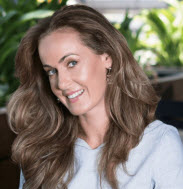
020 - Melissa Smith...Proper Breakfast Nutrient Balance For Sustainable Energy Throughout the Day
TMNH (Ten Minute Natural Health): Hi Melissa, what do you have for us today?
Melissa Smith: Focusing on breakfast, I’d like to talk about the proper balance of macronutrients and give some suggestions.
Melissa Smith: So what’s most important, and what I see in a lot in my clients who come to me, is that they tend to take in a lot of refined carbohydrates and not enough protein. The general requirement for protein intake in a day is essentially around one gram per kilo (or 0.46 grams per pound) of body weight per day. There are converter tools online with which you can actually input your weight and receive a number correlating to the amount of protein your specific body weight needs per day. That protein needs to be spread across the meals you’re having. So the main approach that I recommend is that all of your meals be protein-based. Protein is an appetite suppressant and will help you feel fuller for longer, help you avoid snacking during the day, and also helps slow down the metabolism of any carbohydrate you’re taking in at the same time. So any carb that you’re having with that meal will break down much slower and give you that lasting energy that you need.
Typically I’ll see clients whose meals are primarily carbohydrates. They then have an energy spike, and they’ll crash about two or three hours later and need a snack or have coffee to help them last until the next meal. We really want to avoid that. We want to get our blood sugars balanced for achieving sustainable energy throughout the day and at the same time we don’t want to stimulate our adrenal glands.
So what coffee, sugar, and carbohydrates do is stimulate the release of cortisol. Cortisol helps to stimulate the release of insulin. Cortisol is a very important hormone for energy production as well as to help us with stress. However, when constantly stimulating cortisol production it can make us quite fatigued. This is what I see a lot in practice with women who have been using sugar or refined carbohydrates to give them energy, but that isn’t a sustainable solution. So what I suggest as a starting point is to build a keystone habit and that is to have a healthy breakfast. The better and healthier the breakfast in the morning the healthier the other meals are throughout the day. And, we want to have a protein-based breakfast – typically around 30 grams of protein…I’ll talk about what that looks like in a minute. You want to have about 30 percent as carbohydrates, particularly complex carbohydrates.
TMNH: What would a meal that you’re describing look like?
Melissa Smith: So ideally you’d want to have two or three medium to large eggs – they are fantastic for breakfast. They can be any way you like them whether that’s fried, poached, boiled, or mashed. Also, make about a third of that meal green leafy vegetables. Green leafy vegetables, which are carbohydrates, have energy giving magnesium and B vitamins among other things. Consider spinach, kale, chard, and even the cruciferous vegetables like broccoli, or asparagus too. Then add a small portion of fats – something like avocado. Or, pour on olive oil or flax oil on your green leafy green vegetables and then sprinkle them with a little bit of sunflower seeds or pumpkin seeds. It feels so good to start your day in that way. You’re putting wonderful nutrition into your body, and it’s not only fantastic for your energy levels but also for the brain as well.
Melissa Smith: Some other solutions could be things like, and I know this sounds a little bit unusual for people who think this seems like a dinner meal – but grilled fish such as salmon. You can actually grill an extra portion the previous night and just simply heat it up in the morning. With it have a side salad or even sautéed vegetables. Or, have some oatmeal with nuts and seeds to get the protein. And, maybe add some dried cranberries or dried Goji berries so you’re getting a little bit of sweetness. I know a lot of people love to have a little bit of sweetness in the morning, and you’re also getting nutrients like vitamin c, which are really important for energy production.
Melissa Smith: As a weekend suggestion, I love having protein pancakes. So I make protein pancakes with a buckwheat or oatmeal-based flour and throw in some protein powder, whether that’s whey protein or pea protein. Then you can make a lovely little strawberry or berry jus by just lightly simmering some strawberries or other berries and have that as a sauce with some Greek yogurt on top.
TMNH: So by having the carbs with protein, the protein acts as a buffer, in a sense, to slow down the activity of the carbs and spread the benefits out throughout the day?
Melissa Smith: Yes – by having your carbs with protein at the same time, it will actually slow down the metabolism of the carbs. The healthy fat will do that to a degree as well and that’s why it’s important to have a little bit of fat with every meal. So yes, that will definitely happen because you’re having more protein, 30 grams, which is going to be about a third or more of your meal. Simply having that amount of protein will take up more of the space that you’d normally be using for the carbohydrates and it will control the spikes of energy that the carbs can cause.
And obviously we’re having real, whole food rather than the refined carbohydrates that don’t have any fiber. Fiber also slows down the release of glucose in to the bloodstream. You want to have a focus on whole foods, primarily protein sources of either animal protein and eggs. Protein powder is also fine. Then add whole food carbohydrates, such as a small palm-sized portion of fruit, keeping in mind that we want to keep our carbohydrates to a minimum in the morning.
TMNH: So keep the fruit to a minimum?
Melissa Smith: Yes
TMNH: Is it better to have fruit in the morning or later on in the day?
Melissa Smith: Interestingly, your insulin is more sensitive in the evening so your muscles will actually take up more carbohydrate in the evening. So you want to have the least amount of carbohydrates in the morning and the most amount at dinner.
TMNH: I always assumed the opposite.
Melissa Smith: A lot of people think that if you have a carbohydrate-rich meal at dinner you will put on weight. That can be true if you’re having a big bowl of pasta. Remember pasta is a refined carbohydrate. But if you’re having something like a starchy vegetable which has a lot of fiber, you’re getting a lot of nutrition and obviously you’re getting less carbohydrate versus say refined carbohydrate like pasta. Your body is actually much more effective at taking in sugar into the muscle cells in the evening rather than in the morning. And that’s really because cortisol will inhibit insulin. Cortisol levels are higher in the morning, which is what gives us that energy to wake up and feel alert. Cortisol should be lower at night, which helps us go to sleep, which means that the insulin is much more active and more effective in the evening.
Melissa Smith: So say thirty percent of your meal at breakfast is carbohydrates. You probably would then want to have about 50 percent of your meal as carbohydrate in the evening, those being complex carbohydrates. Those can include non-gluten grains such as buckwheat, amaranth, or starchy vegetables. Sweet potato is also a really good one.
TMNH: That’s interesting. I think it’s widely assumed that our energy is going down in the evening so we don’t have as much energy to burn the carbohydrates, but you’re looking at it from the hormonal perspective, which is completely opposite of popular thinking. Many people avoid carbs at night believing that it will raise their energy and make it more difficult to go to sleep.
Melissa Smith: You don’t want to have dinner too late in the evening. I always suggest at least three hours before bed and that really is to help you sleep. We want our body to start metabolizing and digesting before we go to sleep, otherwise the meal will affect our blood sugar levels and how well we actually sleep.
TMNH: Thank you for the great advice!
Melissa Smith: You’re welcome!
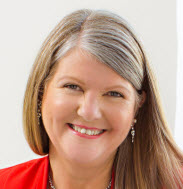
021 - Joy Fairhall...The 'Three Minutes to Calm' Technique for Dealing with Acute Stress
TMNH (Ten Minute Natural Health): It sounds like you have something interesting to talk about in regards to instant stress relief?
Joy Fairhall: My techniques are very quick and simple. As we know, people don’t have time to be stressed. The people I work with are going through significant change such as grief and chronic illness, so they need something quick to focus on.
TMNH: Could you tell me a little bit more about that? And what’s the name that you have for your technique?
Joy Fairhall: It’s called Three Minutes to Calm…very simple!
Joy Fairhall: I really care about people’s personalities and what works best for them individually. Some people are impatient and some people really want to take time to learn something. So this method takes just three minutes. It is based on Reiki, breathing principles, and associating moods with colors. So there’s a real blending of different therapies into this three minute one.
TMNH: People have short attention spans and typically don’t want to learn new processes, so if they had something that they could just rely on that would work well right away, I’m sure they would try it.
Joy Fairhall: It’s huge in both personal and business life. It can be used when driving, for example, if you have a quick bout of road rage. If you have a child who’s waking up at 2:00 AM in the morning and you’re tired and grumpy – you don’t want to have to do meditation for 10 minutes to calm yourself down. You want something that you can do straight away. It’s based on color so it can be used from childhood to adulthood and it’s really quick and simple.
TMNH: Do you mind going into it? Describe how it’s done.
Joy Fairhall: I’ll go through the process. So what you do is when you’re feeling stressed, overwhelmed, or emotional, try to think of a time when you were really calm, in control, or confident. So it could be the birth of your child. Think of a color for that time and the first color that comes into mind is perfect. Now think of a time when you’re overwhelmed, stressed, or whatever the feeling is, and give that a color also. Then, breathe in the calm color really deeply. Close your eyes, breathe it in, and then blow out the other color.
Joy Fairhall: Do that four to five times. Slow your breathing down and focus on a calm color. And then on the fifth time you breathe in the calm color say…”the calm color fills me” and then you blow out the other color and you say “it’s gone.”
Joy Fairhall: So as I said, it associates color with breathing. If you’re overwhelmed with emotion, your breathing shortens and everything gets tense. Your mind is lazy so when it goes straight back to that calm time – it already associates what your body needs to do. Then putting a color to the stressful time, your body will also go there, but we don’t mention the stressed word again. So you’re envisioning the color that’s leaving your body and you automatically think about the other feeling without the body associating with it. So it’s five to six sets and on the last set it’s breathing in…”I’m filled with calm”…and then blowing out “it’s all gone”. And that’s the principle.
TMNH: I know in modern times humans don’t breathe deeply anymore.
Joy Fairhall: That’s right.
TMNH: Not only are we not breathing deeply as a default, but when we have a stressful event we breathe even less deeply.
Joy Fairhall: Yes.
TMNH: So breathing deeply with the added dimension of color really “seats” this in the brain.
Joy Fairhall: It has to do with all of our neuronal pathways. It’s tapping into something you already have. You don’t have to learn it. It’s like if I say…”don’t think about a black cat”…you’re automatically going to think about a black cat. So as soon as I say…”think about a time when you were calm,” you automatically go there. It’s so quick and so nice to have in your back pocket for any time you need it because you’re not really learning something. You’re just tapping into something already in your being, and that’s why it’s so effective.
TMNH: It can’t hurt to try it. So you said you had an example of it in practice?
Joy Fairhall: When someone’s been diagnosed with a chronic illness such as cancer, lung disease, or whatever, life becomes a series of not only medical appointments but informing people and trying to understand what’s going to happen with your life. That’s a very overwhelming thing. So a lot of my clients use this Three Minutes to Calm in those situations.
Joy Fairhall: It also helps with focus. For nervous students about to take an exam, it actually calms them down so that they can focus on the next few minutes. It’s better than a pill! You can’t overdose on Three Minutes to Calm.
Joy Fairhall: It’s used by a lot of my patients who are going through cancer and grief. There are many moments when you feel overwhelmed, especially with grief, but for day-to-day business life it’s useful as well. If you’ve had your boss tell you something that you think is unreasonable, you can’t leave the office and go on a retreat and meditate right then. You need something where you can just go to the bathroom for just three minutes and come back and be able to continue. And that’s really what it’s for.
Joy Fairhall: Another scenario is really useful for children. I have taught it to parents who have now taught it to their toddlers. When the child has a tantrum, the parent says…”what was that color we had to do when we were feeling happy?”… and it’s like an instant reset for them. So it’s really useful just to have.
Joy Fairhall: So Three Minutes to Calm is exactly what it is – three minutes…and you will feel calm. It’s guaranteed because you’re already there and the breathing just slows everything down.
TMNH: Thank you for your excellent tip – I’m looking forward to becoming stressed so I can try it out!
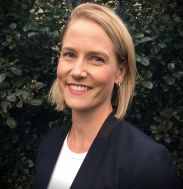
022 - Angela Hawkes...Beating Pain Naturally
TMNH (Ten Minute Natural Health): Hi Angela, do you have a good tip for us today?
Angela Hawkes: I’d like to discuss pain. Many people look outside themselves for an answer in the form of medication or medical treatments, but quite often it’s more about looking at the repeatable things that they do, how they do them, and trying to improve on that. Everybody who has had occupational therapy and tried these therapy strategies targeting ‘every day’ activities say that it’s common sense. But it’s not common sense – it just makes sense! It’s not until they’ve tried it that they realized how much of an impact focusing on the everyday activities can have. So as an occupational therapist, I tend to try and look at the ‘every day.’
TMNH: It seems like we’ve lost what common sense is over time.
Angela Hawkes: Often we look outside ourselves and our strengths and our resources and our own environment for something else to help us. And quite often we have all of those things in us. It’s just about tapping into that.
TMNH: Do you have an example of someone who may have been able to reach that internal level that you’re describing?
Angela Hawkes: One personal to me is with my mom. She’s got back pain and has struggled with it for a long time. She tried all of the treatments and the medicines and they work to an extent. Then improvement really came when she started to focus on small things such as vacuuming. That is, how she pushed and pulled and how often she did it, etc. Or when she’s traveling in her 4-wheel drive, driving and camping and doing those outdoor adventures that retirees tend to try and do – things such as getting a good lumbar support in the car and taking lots of frequent rest breaks…all of those little things from the simple and semi-everyday things like vacuuming right through to adventuring. The little tweaks changed her life and allow her to keep doing those things.
TMNH: So your mother knows her own body. She can see outside help, but I’m not sure how well the outside help would work if she hasn’t done a good self-analysis of what her own issues are.
Angela Hawkes: Exactly. That analysis is often missed. It’s an analysis of her own body, but in her own space and within her own activities. I think it’s the triage that’s really important. But people don’t look into these three aspects enough. It’s only when people start to get a serious problem and try so many other external with unsuccessful results that they start to look internally at their individual life. It can happen so much earlier, though, because looking internally is such an effective tool.
TMNH: It’s interesting how we’ve become conditioned to look externally for our well-being instead of just simply feeling ourselves out and getting a sense of what might be right for us individually. Often in those times of introspection you can find the answer.
Angela Hawkes: Definitely. Pain is such a big problem and it is the problem that we know has had very limited effects and outcomes from treatments. And yet this is an area that is largely untapped but is starting to evolve in some of the other therapeutic practices such as functional re-training. But even that is only such a small portion. One really needs to look at the three areas of activity across the spectrum of types of activity for it to be successful.
TMNH: It’s almost as if there’s two kinds of pain, or rather two origins of pain. By that I mean pain that is structural as in a back issue, or pain that could be the result of neurological damage or brain trauma in which may make it difficult for an individual to help his or herself.
Angela Hawkes: Well, that’s what pain is. It’s a multifactorial response in the body. So the short term pain is usually as a result of an injury or an illness. As that tissue starts to heal, it becomes chronic or persistent pain. And that’s where that neurological response really is that we’re trying to tap into and restructure. It can’t be done with a pill because there are so many different areas of the brain and nerves are so quick to respond so one pill is not going to effect that. Contrary to a lot of marketing, it’s not going to take the edge off what one is experiencing. So you do have to look at every aspect of every day for it to have a positive impact.
TMNH: So someone in your profession can help with isolating a problem and help someone determine what his/her individual issue might be. In other words, a person’s problem might not be obvious to them, or it could be something that they wouldn’t have considered. That is how you can help?
Angela Hawkes: Absolutely. It’s really important to take a holistic approach and look at the wellness side of things as opposed to the illness side of things because so many people are focused on that illness and getting it better. They’re not focusing on improving their life and lifestyle. Making that mental shift in the first instance is integral to any kind of positive outcome with pain.
TMNH: Could it be that something that could help their pain might be totally unrelated to the pain that they have. This is just an example I’m using without much thought, maybe something dietetic could result from a leg pain issue. It’s like a puzzle and trying to determine the downstream effects of anything a person does.
Angela Hawkes: If everybody in pain started to focus on things like a healthy diet, healthy exercise, good, balanced activity across the day, self-care and leisure, it all starts to add up really quickly. So then it doesn’t matter if it’s leg pain, shoulder pain, or back pain, once it gets to that current state it really is about working on all of those little factors that build up to make someone a well person again.
TMNH: So it’s ok to look outside for help, but we have to realize that our own body is typically very forgiving and wants to heal itself. We need to find ways to help our body help itself, and those are the ways you help people.
Angela Hawkes: Identifying all of those facets that are making that pain worse can be so many things. It could be cold weather, which clearly has nothing to do with an injury… or how you push a vacuum which may trigger the back pain or shoulder pain or the wrist pain or wherever the pain is, but it’s not an injury site and it’s not reinjuring you. It’s just increasing that pain level and all of those things can be reduced without any kind of structural change to the body.
TMNH: When I was a kid, I broke my collarbone in a bike crash. It was very painful and I found that I would wiggle my toe and I would feel it in my collarbone. So I learned to learn about those connections within my body and naturally to avoid those things that would cause pain. As a kid, I just naturally did those things. I didn’t even think of drugs. I didn’t know what drugs were at that time or pharmaceuticals, so I would just naturally avoid doing those little things that would exacerbate the pain.
Angela Hawkes: Pain is such a clever and important response in the body because it’s supposed to stop us from getting injured and hurt, but once it’s been going on for that long and all of those tiny triggers are exacerbated it just gets bigger and people don’t know where to start. So breaking it down, breaking the day down, breaking the wiggling of the toes down, making someone feel safe and good again, completely reverses that pain cycle and allows the body to heal itself potentially.
TMNH: Thanks for the great tip Angela!
Angela Hawkes: You’re welcome!
Angela’s BeatPain app is available in the Apple Store or Google PlayStore.
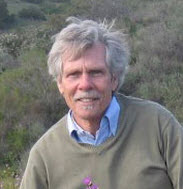
023 - Christopher Hobbs...The Healing Powers of Aloe
TMNH (Ten Minute Natural Health): Hi Christopher, do you have any thoughts on medicine and remedies you would like to share?
Christopher Hobbs: It’s all about incorporating herbs into your life. For example, if you’re living in apartment and have any kind of a sunny window, you can put out a little pot and you could grow some mint, basil, oregano, or parsley to name a few. Or if you have a little garden area, think of the herbs as your allies and just going out to your garden and getting some. Aloe is always good to have on hand as well as peppermint.
Christopher Hobbs: Take the approach of, when you think about your body, what can go wrong? What do I need and what symptoms do I have? Is it a sleeping problem or is it a digestive problem? If it’s a digestive problem and you have gas or you can’t digest well there are bitters you could plant either in your garden or even in pots. Even if you don’t have any garden space, herbs grow very well in pots. You can just get three or four pots and put them in a place where there’s some sun such as on the floor or on a counter. But think about what your needs are and the symptoms you might frequently have. You might often wake up in the night, have indigestion, headaches, or feel nervous and upset often. There are any number symptoms a person can have. My book Grow It, Heal It includes the top 50 herbs that I recommend for healing and health. It contains a table where you can look up symptoms and herbal cures.
Christopher Hobbs: We’re always so busy in our work and lives and it’s good to just sit down and quietly and take stock of our body. That is, what’s going on, what are we feeling, what did we have the last month that we’re dealing with? If you’re feeling fabulous all the time and never have any symptoms, there are still herbs that you can plant just for pleasure of the taste and so forth.
TMNH: You mentioned aloe. I see it regularly in supermarkets where it’s sold primarily as a food item but I know it’s a health powerhouse as well.
Christopher Hobbs: First of all, get a small aloe plant. It grows fast. Give it water and put it in a well-drained soil such as some sand or sandy loam or something similar. Even in a pot it grows fine. Aloe makes sense in a pot because a pot can easily be moved around. Aloe doesn’t take hot, direct sun very well. It will kill the leaves and dry them up. It also can’t take freezing either.
Christopher Hobbs: As far as uses go, the gel is amazing. Take the fleshy succulent leaves and start snipping off pieces of it. Then you can squeeze it and you’ll notice that a nice, beautiful gel comes out of it. You use that gel directly on bites, stings, burns, acne, rashes, or cuts – any type of skin problem at all. Just rub the gel onto the area where it’s needed.
Christopher Hobbs: It’s much more powerful to use aloe directly than any aloe ‘product’ on the market. Go right to the fresh herb and squeeze the gel and put it on your skin. For sunburns it’s wonderful and contains tons of healing properties. There are good scientific studies behind it and a long history of use. So I think aloe is one of the best medical herbs. Internally it’s great as well. You can just squeeze the gel out and blend it into a cup of tea like peppermint and it can soothe your gut or soothe your upper respiratory tract.
Christopher Hobbs: The gel has anti-inflammatory properties and cell-proliferating properties so it speeds up wound healing and tissue repair. Also, squeeze out a teaspoon-full and just swallow it and let it run down your throat for a sore throat or for upper respiratory track inflammation. Or, get it down in your gut or urinary tract. So it’s a huge soother both internally and externally. As a fast grower, it’ll produce babies often. Take a baby out and get another pot going when you need to. Think of it as your health ally as it has so many wonderful properties.
TMNH: Is it very forgiving in its care other than avoiding extremes of temperature?
Christopher Hobbs: It typically does quite well indoors or outdoors in a shady location. But again, it doesn’t want to get direct hot sun and it doesn’t want freezing. So as long as you avoid those two, then you should be fine. Just give it good water before you go on a trip and it should be fine. You can leave it for about a week.
TMNH: Thanks for the tip about Aloe Christopher!
Christopher Hobbs: You’re welcome – have a great day!
024 - Hannah McQuilkan...Lavender Essential Oil's Diverse Functionality
TMNH (Ten Minute Natural Health): What are some ways that Lavender can help people?
Hanna McQuilkan: I’d like to specifically address lavender essential oil. There are two types of lavender essential oil. The first one is Lavender angustifolia, which I’ll talk about, and the second one is Lavender spica. When buying an essential oil, make sure that it is 100% pure and preferably organic. If it’s not organic then it might contain some toxins that could affect it. Also, it should show the botanical name on the label and the country of origin from where it’s found.
Hanna McQuilkan: I’m so excited to talk about Lavender! Lavender is probably my number one go-to item in my toolkit. When I travel anywhere I always have lavender with me just because it can treat such a wide range of different things very easily. It’s also really safe for children and pregnant women. Sometimes it’s good to dilute it, but for insect bites, for example, it can be used straight on the skin, which is part of what makes it so easy.
Hanna McQuilkan: So I’ll just go through some uses. Lavender is a nervine, so it’s one of the big stress-reduction essential oils. You can use it for inhibiting the sympathetic and parasympathetic nervous systems – so your entire nervous system can be relaxed with lavender. And because of that, it’s quite famous for its ability to help with insomnia.
Hanna McQuilkan: If I wake up in the middle of the night, frustrated that I can’t sleep, I’ll go get my lavender and I’ll just put a little bit on my temples and a little bit under my nose. Then I will breathe in a few times from the bottle and I instantly feel a little bit more relaxed. Some people put it on their pillow. It’s a simple way of assisting with sleeping. For children you can put one or two drops on their pillow if they are having trouble sleeping.
Hanna McQuilkan: For any kind of acute crisis, lavender is like a rescue remedy. If someone is in shock or maybe just had a car accident or any sudden-shock situation, lavender oil would be very effective. You could put it on the temples and have a victim take some slow deep breaths. It can help to calm the nervous system and bring them back to a more centered place.
Hanna McQuilkan: It is an excellent anti-styptic so it’s excellent for coughs or colds. There are two ways you could use it for coughs and colds. For an adult, you could put a few drops directly on the chest should they have a cold ‘chesty’ infection going on. For a child, I would dilute it – 10ml of lavender oil and 10ml of a carrier oil such as sweet almond oil. Then you could put it on a child’s chest.
TMNH: What is it’s mechanism of action?
Hanna McQuilkan: If dealing with a chest cold, it would be absorbed into the bloodstream through the chest. It is a class of compounds called terpenes which are strong antibacterial agents that will get absorbed through the skin. There is an anti-spasmodic action of the muscles in the chest area so by being absorbed through the skin it helps the muscles relax as well.
Hanna McQuilkan: Another way you could use it which would also help with coughs and particularly sinus problems, would be adding 2-3 drops of the neat oil to a bowl of boiling water, putting a towel over your head, and breathing in the steam.
TMNH: A lot of people have sinus issues and conventional medicines just don’t seem to work.
Hanna McQuilkan: The essential oils are going to be coming up in the steam and then you’ve got the oth the steam and the essential oil that working together to clear the sinuses.
Hanna McQuilkan: So what I do with boiling water is I’ll just put one or two drops in and breathe in deeply. I might add another one or two drops gradually, but if too many are added at the beginning, it can be quite intense. Sometimes the steam can get to be a little overwhelming so it might be best to just pull the head out for a brief moment or two. To get the best result, stay under for at least five minutes for it to be more effective.
Hanna McQuilkan: One of the ways that I use Lavender most commonly, and have ever since I was a teenager, is for pimples. So the first day of a pimple – a girl might think…”Oh no my weekend is ruined now!” No problem – just put lavender oil on your finger straight, and then right on a pimple. If this is done two or three times during the day, the next morning the pimple will be gone! For a boil, though, it might take a few more days. The thing to consider about essential oils is that they are being absorbed deeply into the skin because the particles are so tiny and can penetrate all of the different skin barriers. So I’ve found that this remedy is much more effective than any of those acne creams you can buy over-the-counter. Those never seem to work but lavender will just kill acne!
Hanna McQuilkan: As for cuts and wounds, you could put lavender on neat. There may be a little bit of a sting but it wouldn’t last long. It’s going to do two things if it’s put on a wound. First, it’s going to clean the area with its antiseptic agents. Second, it’s going to reduce the inflammation. So it’s kind of working on to those two levels. And therefore it will be reducing the pain level as well.
Hanna McQuilkan: One of the other common uses you might have heard of is for headaches and period pain. It’s applied the same way and that is by adding a little bit on the temples. Some people like to make a compress and putting it on the forehead or on the back of the neck. You could also use it as a hot compress action for period pain. Alternatively you could put the essential oils directly on the pelvic area and then put the hot compress on top. By putting a hot compress on top, it’s helping the essential oils to absorb into the skin faster. At the same time, the action of the heat is going to help relax the muscles.
Hanna McQuilkan: Now finally – sunburn! In some places, such as New Zealand, authorities actually issue sunburn warnings. A lot of people get burned in the summer. I just put lavender oil into a moisturizing cream and then on a sunburn. The next day the area is tanned and the sunburn is gone!
TMNH: Thank you for the great tips about Lavender!
Hanna McQuilkan: You’re welcome!
025 - Christopher Ging...Powerful Natural Healing with Acupuncture
He is a licensed acupuncturist (L. Ac.) in the state of Texas and certified with the National Commission of Certifcation of Acupuncture and Oriental Medicine (NCCAOM). He is a founder of Texas Acupuncture Practice. He is a noted researcher in Chinese herbs as well as a popular speaker on health issues, viewed from the unique context of Bioenergetic and Integrative Medicine. To learn more about Christopher, please visit drging.com and dallasfortworthwellnesscenter.com
NOTE – My discussion with Christopher Ging wasn’t really a discussion because once he started there was no stopping him! He is full of excitement for the potential he sees in healing a wide variety of issues, both physical and emotional. Below is simply an excerpt of what he told me. If I were to include everything he discussed in a short time there would be no way to fit it all in! His views are truly cutting edge, yet grounded in simple principles. To him, no so-called medical problem is impossible. He looks at things in a different way, and from his unique vantage point derives solutions! Enjoy!
CHRISTOPHER GING: Spanning 35-years of medical research and extensive study of integrative medicine I have found that the root causes of all chronic or incurable diseases to only be caused by a few things. Some of those things are temperature abnormalities, low oxygen uptake, pH imbalances, inflammation, and electromagnetic short circuiting.
Pharmaceutical medication and invasive surgery have inherent side effects because allopathic pharmacology is based on a double-blind study and placebo with disregard to the quantum balance between anions and cations, between electrons and protons, and between hot and cold. Allopathic biomedical science is a partial science founded on hypothetical statistical theory treating symptoms only. It is full of “bugs”, pitfalls, and side effects.
Yin-Yang ancient science – a complete science treating root causes, is a much superior alternative to tackle every kind of chronic disease. In a nutshell, Quantum mechanics equilibrium holds the key for body healing and reverse aging.
The body is primarily an electric-driven system – harnessed with 12 pairs of cranial nerves. There are 14 acupuncture meridians which function as a kind of coaxial cable, and countless skin pores with which the body electricity can empower billions of cell membranes, every organ and joint, bones, fascia, muscles, and cartilages. The body function requires electrical sensors in order to send “messages” as electrical signals within the body to sustain mental, intellectual, emotional happiness and joy, and physical activities.
Dual Yin-cold water and Yang-hot fire is not only a philosophy of relativity, but also a proven ancient science. It is a law of life for life proliferation, regeneration, and harmony. Such a proven ancient life science offers a simplified alternative for instant healing of all types of chronic diseases simply by bringing the Yin ion (represented as cooling healing energy), and the Yang ion (represented as warming) into equilibrium. The body is constantly fighting diseases until Yin and Yang reaches homeostasis.
Yin ions and Yang ions can be manipulated with acupuncture. An instant release of abundant healing electrons is triggered which have direct impact on chemo-physical reactions. In turn, the body cells are charged with ample bio-electricity for detoxification, regeneration, and bringing the body back to Yin-Yang equilibrium – neither too hot/hyperactive or too cold/hypoactive.
Electron therapy can also work wonders to eliminate prolonged inflammation and infection for those patients who have long suffered from afflictions such as rheumatoid arthritis, gout, shingles, rosacea, edema, sinusitis, allergies, asthma, gallbladder stones, kidney stones, and cancer due to chronic inflammation and infection.
Balance is imperative for healing and disease prevention. A slight imbalance or disturbance would trigger the basic causes of disease or disease progression. Energy fields underlying the human body, measured by millivolts, are highly sensitive in detecting severe illnesses in the early stages – many years before physical deformation, morphological change, or pathology becomes clinically evident. Most health issues can be fixed by recharging or balancing electrons using acupuncture.
The human body requires a regular tune-up to maintain its efficiency and high performance. It’s not dissimilar to car maintenance! Partial healing makes you feel somewhat better whereas miracle healing makes you shout for joy, be excited about a new beginning, and have life changing and charging experiences – you can feel pain free, renewed, and rejuvenated!
TMNH: Thank you for fascinating views on natural healing Dr. Ging!
026 - Kathy Fray...Natural Pregnancy Supplements for Men and Women
TMNH (Ten Minute Natural Health): Hi Kathy do you have anything interesting for us today?
Kathy Fray: I definitely do have a few tips I can give you. First of all, let me say that I’m not anti-Pharmaceutical. However, I do like complementary and alternative therapies because they just don’t have the degree of nasty side-effects that pharmaceutical drugs often do.
Kathy Fray: Today I’d like to overview the supplements to take during pregnancy. Most women during that time are not ‘unhealthy’, but they are also not of their ‘normal health’. If there’s one time in a woman’s life when they want their body to be healthy and as well as possible, it’s when they are trying to grow a baby inside of them. So I thought I’d just run through some of my favorite remedies as far as that goes.
Kathy Fray: I would recommend that every Mom touches base during her pregnancy with a medical herbalist of some form, for example Traditional Chinese Medicine therapist or Indian ayurvedic specialist. The medical health system is really so well geared to treating unwellness, but it’s not well geared to promoting wellness.
Kathy Fray: First, with regards to pre-conception, there is a magical 3-month period before trying to conceive, which is also an important period for the men too. (Guys actually manufacture their sperm in advance.) So if we can get their sperm-health looking really good three months before conception, there are some really great benefits.
Kathy Fray: Back to the topic of maternal supplements. When trying to conceive, a woman should consider a Multi from a Health Shop rather than a Pharmacy (for a wider range of health supplements). I recommend taking a good quality Multi each day, even if not quite pregnant (but soon-to-be pregnant, hopefully). And for the men, taking an anti-oxidant, which is a beneficial thing that can be really helpful for sperm. Also, for both the man and woman, the Peruvian root Maca for the libido, because sex can really change when you are intentionally trying to conceive!
TMNH: What format would Maca be taken?
Kathy Fray: A capsule. Or you can try a powder form and add it to smoothies.
TMNH: I understand that a lot of herbals are risky for pregnant people.
Kathy Fray: That, in my opinion, is rubbish quite frankly. Pharmaceutical drugs actually do a lot more harm. But there is a reason that we would say that many medicines (herbal supplements or pharmaceutical drugs) are feared during pregnancy. This is because it is very difficult for both pharmaceutical and naturopathic remedies, to actually ever prove that they are safe. You see, no university Ethics Committee is going to say…“Hey yes let’s do this double blind trial to check of this substance, to find out if it is safe in pregnancy, or causes harm to an unborn fetus”. That’s never going to happen. And no moms are going to want to participate in such a trial too!
Kathy Fray: So what happens is that the pharmaceutical medicine that is prescribed during pregnancy has never been proven to be safe, but it’s prescribed because there is a lot of understanding of the pharmacokinetics and pharmacodynamics of that drug which would indicate that it should and might be fine. And basically herbals are exactly the same situation. Very few herbals are clearly well-known to be unsafe, and you could probably say that 98 percent of them would logically be completely safe. But no-one can run trials to prove that, because that would be unethical against unborn babies. But certainly, there are many pharmaceutical drugs very well-known as being toxigenic to an expectant mother or her unborn fetus.
Kathy Fray: A general pregnancy Multi can be awesome. However, there are some situations when the biggest selling pregnancy multi is not really necessarily the best one – which usually occurs as the capsule has been created by Big Pharm, and touted as the best with their big advertising budgets. But oftentimes the mineral/vitamin potency and absorbency can be questionable. I would again talk to a Naturopath in a Health Shop (rather than a Chemist in a Pharmacy) and ask them to recommend their best pregnancy multi.
Kathy Fray: And then the other supplement that’s really great in pregnancy is a calcium & magnesium blend. It’s really helpful to the Mom because she’s growing this whole baby that is full of calcium within its bones and tissues. But I have certainly have seen a real consistency, over two decades, when it comes to calcium and newborn behaviour. That is, babies who received great calcium intake in utero, seem more content, chilled-out, happy, easy to please as newborns… I mean, of course they cry and do everything babies do. But in general they are easier-to-look-after Babies. I think there’s sated sensation, at cellular level, from the extra calcium gives their body received.
TMNH: You take the calcium once the conception has occurred?
Kathy Fray: Yes – during the pregnancy. And even more so in the last trimester because that’s when the baby is physically larger.
Kathy Fray: Another thing to take during pregnancy is a probiotic. Probiotics are just so good for the gut and especially if you find that you are getting infections and you are not feeling as healthy as you believe you should feel.
Kathy Fray: The other big one is women getting low Iron. I would actually recommend all women, as soon as they know that they are pregnant, get a ferritin blood test to check if they have pre-existing iron-depletion anaemia. Most women at the beginning of their pregnancy haven’t a clue if they’re low on iron.
TMNH: Take Iron in tablet form as well?
Kathy Fray: The iron prescriptions are typically given as iron tablets, depending on local governments/customs.
TMNH: Most pharmaceutical iron tablets, I’m told, are not of the highest quality.
Kathy Fray: I completely agree. I recommend getting the best brand of natural supplement that you can get from your local naturopath. There are liquid versions around the world in little liquid sachets of iron (eg SpaTone), which I think are very good. And there are capsule supplements you can get which are also very good. It’s about thinking, “Maybe I won’t take the prescribed one that the doctor gave me because it probably has low absorbency with high constipation. I’d rather buy a better quality one from a health shop.” Pregnancy-induced low-Iron is a very common issue, so one important to stay on top of.
TMNH: Thanks for your time Kathy and the great tips!
027 - Zakaria Kouloughli...Calculating the State of Your Health
TMNH (Ten Minute Natural Health): Hi Dr. Zak, I understand you have a unique healing method you would like to share.
Dr. Zak: I’d like to discuss the work of Dr. Carey Reams. Many years ago Dr. Reams, an Agronomist and Biochemist, developed an inexpensive testing system to determine someone’s state of health and the causes of their illness.
Dr. Zak: What got me interested in the work of Dr. Reams, the founder of the Reams Biological Theory of Ionization (RBTI), is that he looked at disease differently. His view of disease differed from standard allopathic care.
He did not believe that disease originates from a bacteria or virus. He surmised that every disease is caused by a mineral deficiency. This kind of blew me away because it was radically different from what I knew of disease.
Doctors are taught that disease is something caused by bacteria or a virus; and my visits to doctors, in the past, reinforced the idea. What is even more interesting is that anytime I visited a doctor in Texas when something was wrong with me, they attributed it to some kind of a virus I carried with me all these years. My background, being from North Africa, made it somehow an easy target to reinforce such statements. So there was always a story about a virus or bacteria.
Dr. Reams, on the other hand, says that whenever there is a mineral deficiency, parasites or bacteria take hold and become established. He initially saw the phenomenon in agriculture. He noticed bacteria and fungus attacked the least mineralized, or the weakest produce. So that was quite interesting. By deduction, that led to a new view about organic food.
We are changing subject a little but the general belief is that organic food is better than food treated with pesticide. For our purposes, something organic just contains an element of carbon in it and nothing more. So a good fruit or vegetable is the one that does not rot with time but rather dehydrates. Dr. Reams stated that if a fruit or vegetable rots, it means it lacks minerals. On the other hand, if a fruit or vegetable is fully mineralized it dehydrates and will not decay.
In the past I was part of the organic frenzy movement. I thought that whichever produce rotted first was the best. Here is an experiment I did in the past and you can do as well. You buy your apple from an organic food store and another from your “regular” store and you let them sit on the counter for 3, 4 or many more days. The one that’s organic starts to rot away. And the belief is that the one that rots the first is the good one. Whereas according to Dr. Reams’ philosophy it’s the other way around.
TMNH: So you’re saying that the organic produce rots faster.
Dr. Zak: It has nothing to do with something grown organically or not. Rather it as to do with whether the produce is fully mineralized or not fully mineralized, which means it has the proper content of calcium, etc.
Even those who pursue holistic medicine will have you eating more apples and/or pears, not knowing that all pears or all apples of the same kind are not the same. A pear from Texas does not have the same mineral content as a similar pear from California. I found that quite fascinating.
Dr. Zak: I read a piece of history about Dr. Reams when he was in college. He engaged in testing fruit and vegetables for mineral content. What he discovered was that, for example, carrots vary in iodine content from 2 to 300 parts per million, and varied in sugar content anywhere from 2 percent to 16 percent. We are talking the same variety of produce at maturity.
TMNH: That’s significant!
Dr. Zak: He also found that oranges vary in sugar content from 9 ½ percent to 19 percent in the same variety at maturity.
Dr. Reams mentioned that if you have a choice between carrots from Texas or carrots from California, buy the ones from California because of the richness of California soil. Now this will not be true if we are dealing with a grower from Texas, who understands RBTI and soil mineralization.
TMNH: What can people take from this when food shopping? It doesn’t seem feasible to research every food item as to where it comes from and the mineral content it might contain!
Dr. Zak: That is true. But let us say a person wants to find out for themselves. One way to do that is to find out the BRIX number of the legume or the fruit.
TMNH: What does BRIX mean?
Dr. Zak: BRIX is the unit which measured carbohydrates or sugar content in a produce. The instrument which measures the BRIX number is called refractometer, which cost between $20 and $100. The instrument is pretty well known among wine manufacturers.
Dr. Zak: So in the case of the apple, the more sugar content in that apple, the better it is, and the better off you are. So whenever the sugar content is high it means that the produce is of very good quality.
A layman would probably not take a refractometer to the store, but that kind of testing is available to someone if they want to find out for themselves.
TMNH: But if they were so inclined they could get home and then do a test on it and then potentially know where, and what stores to shop from for better produce.
Dr. Zak: Yes, exactly. On a separate note, for those not having access to rich produce, Dr. Reams developed a supplement, which enhances the mineral content in the body.
Dr. Zak: I am still amazed by this man. Dr. Reams took this science to the frontier. The way he looked at and evaluated health was so precise. He literally developed the equation for perfect health, which is not taught in medical schools. He looked at health in terms of energy gain and energy loss. He stated that if we take in less energy than we are disposing of, then it is our first day of illness whether symptoms are apparent or not. By the way, symptoms appear when someone loses 50 to 60 percent of their reserve energy.
Illness is a gradual process. It’s not something that happens overnight. So a person loses her reserve energy bit by bit until symptoms start to appear. With RBTI we can avoid the symptoms drama altogether, by making sure the energy in is seldom smaller than energy out, and this is what I call precision.
Let’s say you’re measuring energy every day and then there’s a particular day when you pick up less energy than you dispose of and then that’s your first day of sickness. Of course you may not have any symptoms, and you can compensate for that fairly easily, but if the trend continues, then eventually you will fall sick.
Dr. Reams did all of this by testing someone’s urine and saliva and drawing a mathematical equation, which would give him the state of health of the person. He would then calculate the reserve energy left in a person. Dr. Reams was capable of determining within 3 weeks to 6 months how much time a client would have left to live should they decide not to change their diet and habits. That is fairly significant.
TMNH: If there is a calculation for the onset of sickness, why isn’t this not more well-known or more mainstream?
Dr. Zak: That’s a very good question. Yes, there is. The onset of sickness is caused by the amount of energy lost and how long that process lasted. But why isn’t this not a well-known technique? Let me tell you a story. What first drew me to be interested in Dr. Reams’ work was what I read in a controversial cancer book authored by Nord Davis. During the 5-6 years Dr. Reams operated a retreat, he helped over 10,000 terminally ill people heal who would otherwise be sent home to die. From this group he lost only 5 patients. Forty years ago he charged $250 a week, which is close to $1000 a week of today’s money. This, along with the attention he received for his work, caused him to become a threat to the establishment. The current establishment believes in advancing profitable science.
Dr. Zak: Dr. Reams was arrested several times for practicing medicine without a license, even though he never administered an injection or gave drugs to anyone. He followed Hippocrates famous saying: “Make your food your medicine and let your medicine be your food.”
Unfortunately after interest groups decided to take him down, he spent time in and out of prison, depleted his financial resources, and eventually wound up on his own.
TMNH: Was he not a medical doctor?
Dr. Zak: According to a biography I read he earned a medical degree in England in the late ‘30s.
TMNH: Your practice is based on Dr. Reams’ methods?
Dr. Zak: Yes, this is basically what I do. I analyze a patient’s urine and saliva and tell them what I see wrong, and how they can reverse the situation. The analysis enables me to address the source and the causes of the illness and not the symptoms. Clients who usually come for an analysis are usually those who do not find answers with conventional medicine. Too bad they have to ingest too many drugs before they decide to do otherwise.
TMNH: That’s very interesting work. Thank you for your time Dr. Zak!
Dr. Zak: Thank you very much. I appreciate it, Rob.